Neoprene
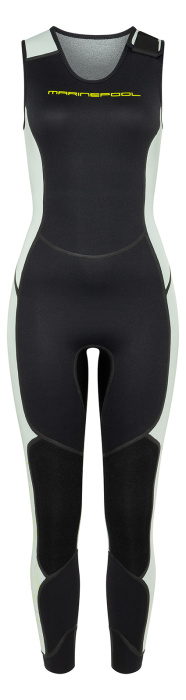
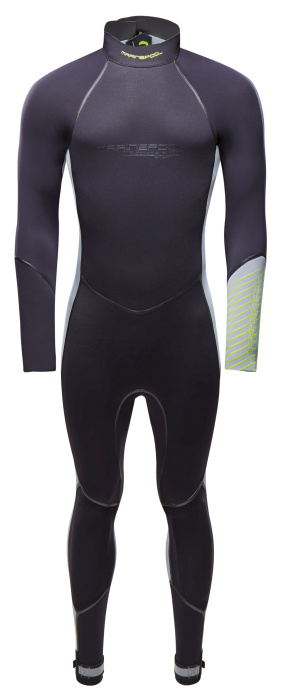
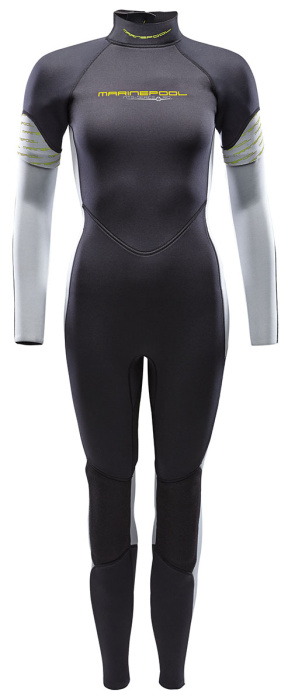
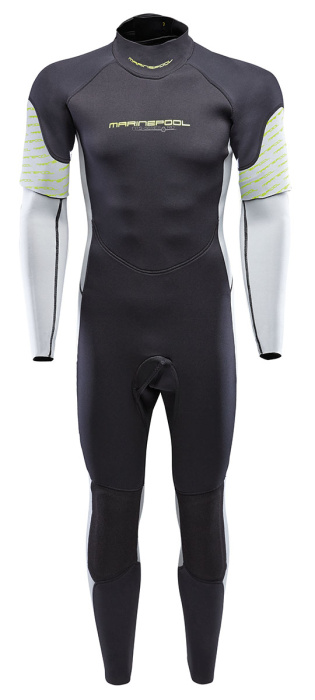
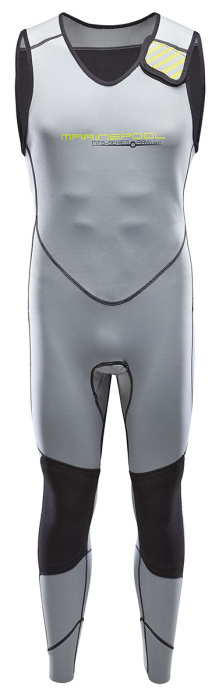
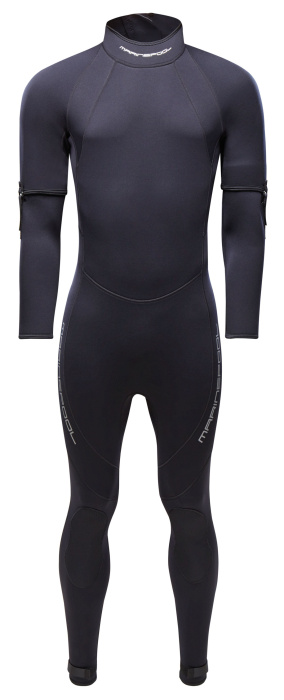
Our wetsuits for women and men provide reliable thermal protection and exceptional freedom of movement for dinghy and skiff sailing, surfing, and many other watersports. Whether you choose a full wetsuit, Long John, or Shorty, Marinepool neoprene apparel delivers outstanding comfort for active days on the water.
-
-
-
-
-
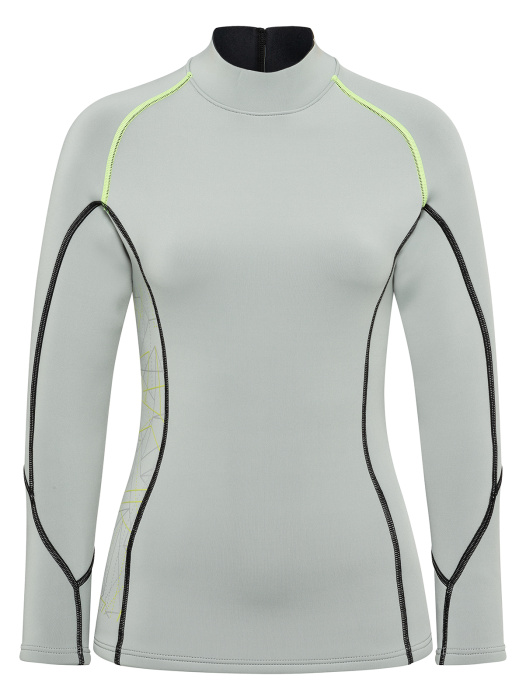
-
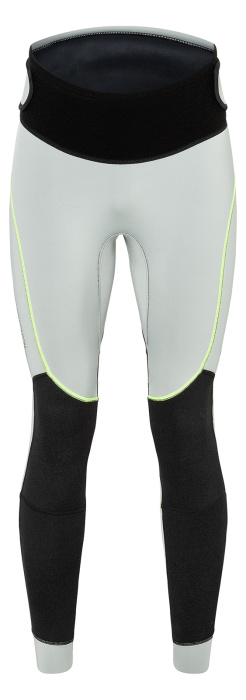
-
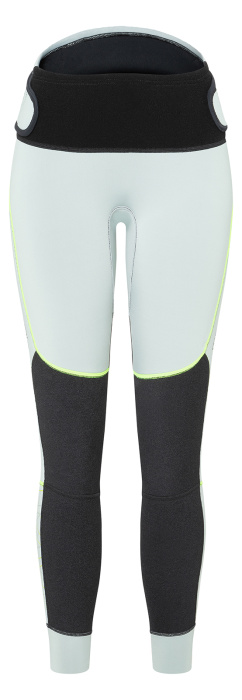
-
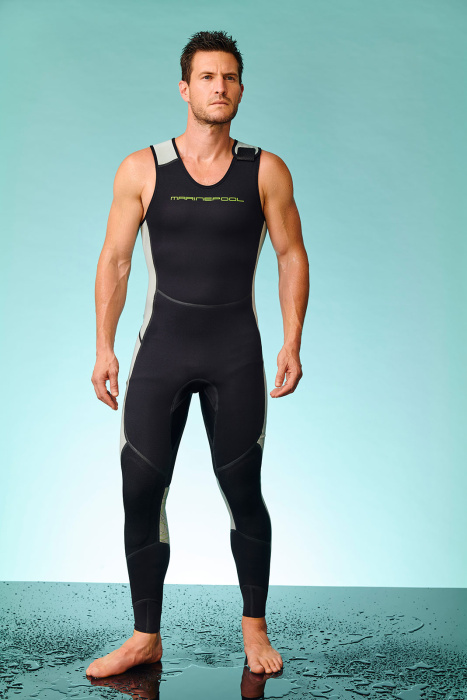
-
-
-
Sale
-
Sale
-
Sale
-
Sale
-
-
-
-
Sale
-
Sale
-
Marinepool Wetsuits for Watersports and Sailing
Table of Contents
Wetsuits are an essential part of the equipment for many watersports enthusiasts. They help protect the body from the cold, provide maximum freedom of movement, and support performance even during extended periods in the water. Whether you're dinghy or skiff sailing, surfing, or diving, high-quality neoprene apparel keeps you comfortable and protected, even in lower water temperatures.
For over 35 years, Marinepool has been developing high-performance apparel for sailors and watersports enthusiasts. Experience gained from regattas, active dinghy sailing, and a wide range of other watersports is continuously incorporated into the development of new products. The result is a collection of wetsuits carefully designed to meet the demands of different activities and conditions.
Marinepool wetsuits are made from stretch neoprene, which insulates the body and provides reliable warmth even when wet. At the same time, the flexible material adapts naturally to every movement, offering the unrestricted mobility that is essential for performance sailing, surfing, and other active watersports. Depending on the intended use, the range includes full wetsuits, Long Johns, Shorties, and two-piece neoprene systems.
Another advantage of modern neoprene apparel is its versatility. Depending on the weather conditions and your personal preference for warmth, your clothing system can be adapted to suit the situation. While a full wetsuit provides maximum all-round protection in cooler conditions, two-piece neoprene systems offer greater flexibility for changing weather and temperatures.
For a complete clothing system, wetsuits can be perfectly combined with neoprene shoes, buoyancy aids, and spray tops. Neoprene shoes help keep your feet warm while protecting them from abrasion, while a spray top provides additional protection against wind and spray. Together, they create a functional setup that is perfectly tailored to the demands of active watersports enthusiasts.
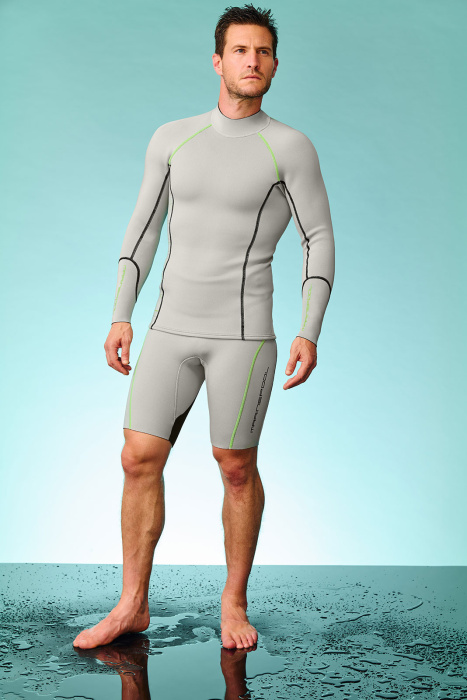
Many ambitious dinghy and skiff sailors prefer a combination of a Long John wetsuit and a matching neoprene top. Compared to a traditional full wetsuit, this setup offers greater flexibility, allowing the upper and lower sections to be combined according to the weather conditions.
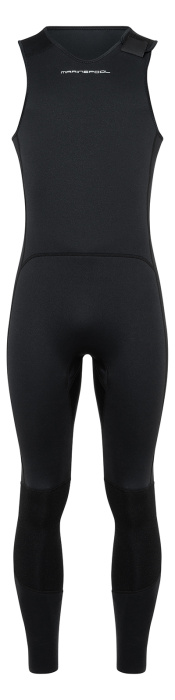
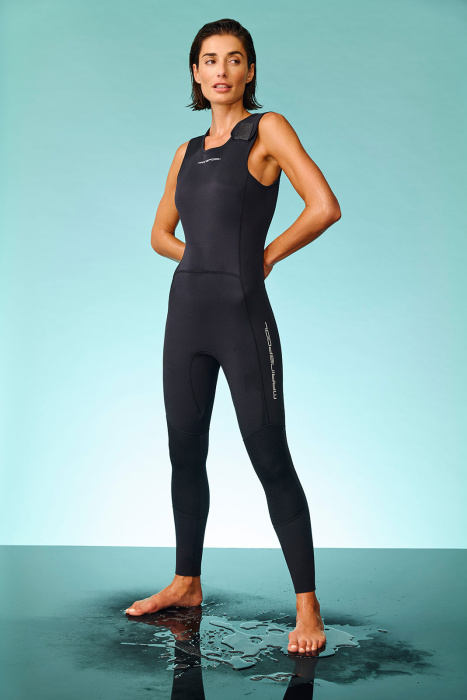
The MP Neoprene Long John provides the ideal foundation for active days on the water. It offers reliable protection for the lower body against cold and water while maintaining the freedom of movement required for performance sailing.
On cooler days, it is best combined with a neoprene top to provide additional insulation for the upper body and enhance thermal protection. In warmer conditions, a rash guard is the ideal alternative. It delivers reliable UV protection, dries quickly, and helps maintain a comfortable body climate without providing as much insulation as neoprene. This allows your clothing system to be easily adapted to different temperatures and changing weather conditions.
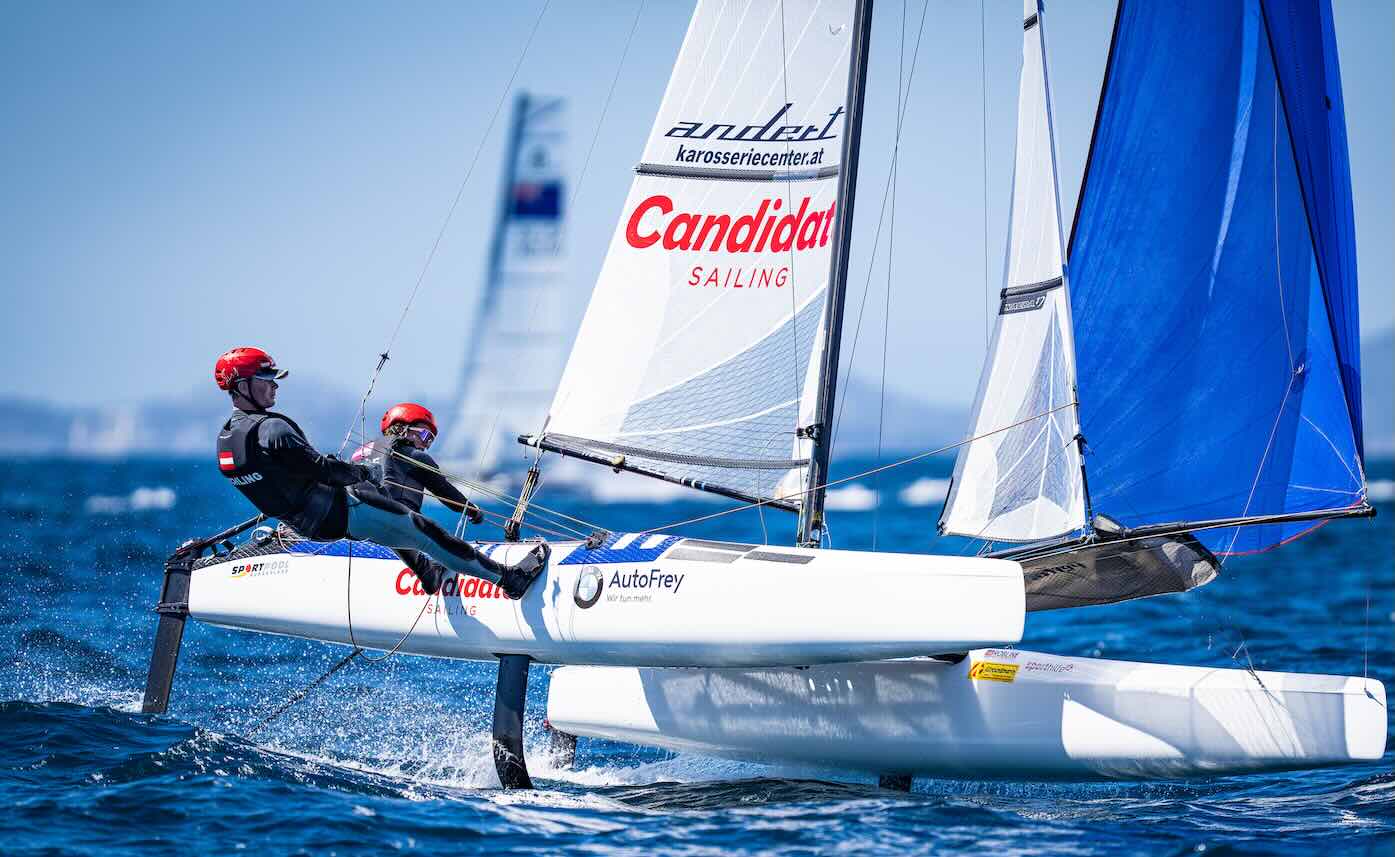
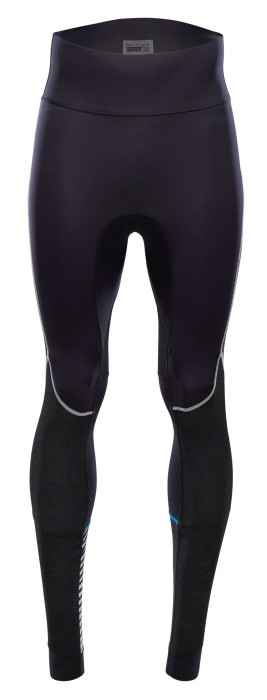
Depending on the weather conditions and intended use, neoprene apparel can be expanded with additional technical layers. Neoprene tops provide extra insulation for the upper body and pair perfectly with Long John wetsuits. Neoprene trousers and neoprene shorts are a flexible alternative for warmer conditions or can be worn to provide additional thermal protection.
For performance dinghy and skiff sailors, kidney belts, hiking pants, and hiking pads are also essential pieces of equipment. Kidney belts help protect the lower back from the cold, while hiking pants and hiking pads improve comfort when hiking out and reduce strain on the legs and knees during long races. This allows your clothing system to be perfectly adapted to the sailing conditions, weather, and your individual needs.
Neoprene
Neoprene is a flexible synthetic rubber specifically developed for use in watersports. The material traps a thin layer of water between the skin and the neoprene, which is warmed by body heat and acts as a natural insulating layer. This allows neoprene to provide reliable thermal protection without restricting freedom of movement.
Depending on its thickness, neoprene is suitable for different water and air temperatures. Thinner materials offer maximum flexibility in warm conditions, while thicker wetsuits provide increased insulation and better thermal protection in colder water.
Why Are Wetsuits Ideal for Watersports?
Wetsuits are designed to keep the body warm even during frequent contact with water. At the same time, their stretch construction provides the freedom of movement needed for activities such as sailing, surfing, and diving.
Benefits of wetsuits:
- Reliable protection against the cold
- Excellent freedom of movement
- Stretch, comfortable material
- Comfortable to wear even when wet
- Protection against wind and spray
- High durability
Especially in active dinghy and skiff sailing, wetsuits help sailors stay warm, comfortable, and able to perform at their best despite constant exposure to water.
Wetsuit or Two-Piece System – Which Option Is Right for You?
The best choice depends primarily on your activity, the weather conditions, and your personal preference for warmth.
Full Wetsuit
A full wetsuit is particularly suitable for:
- Cooler temperatures
- Extended periods in the water
- Surfing
- Diving
- Watersports involving frequent contact with water
It provides continuous thermal protection, helping to keep the entire body warm in colder conditions.
Long John Wetsuit or Salopette with a Neoprene Top
A two-piece system offers significantly greater flexibility, allowing the upper and lower sections to be combined according to the weather conditions.
For dinghy and skiff sailing, many sailors choose a Long John wetsuit or neoprene salopette paired with a neoprene top. In warmer conditions, a rash guard is an excellent alternative, providing reliable UV protection and quick-drying comfort. This modular system makes it easy to adapt your clothing to changing weather and temperature conditions.
When Is a Shorty the Right Choice?
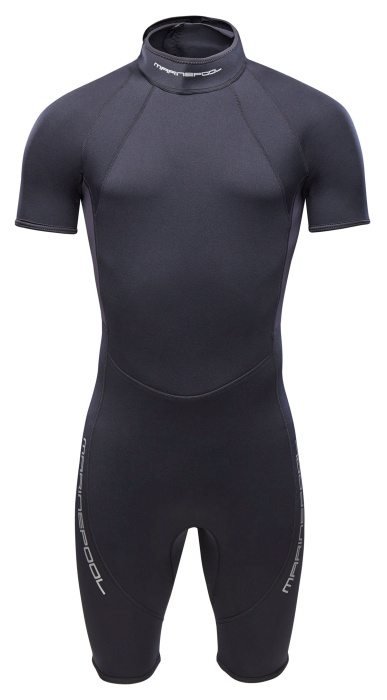
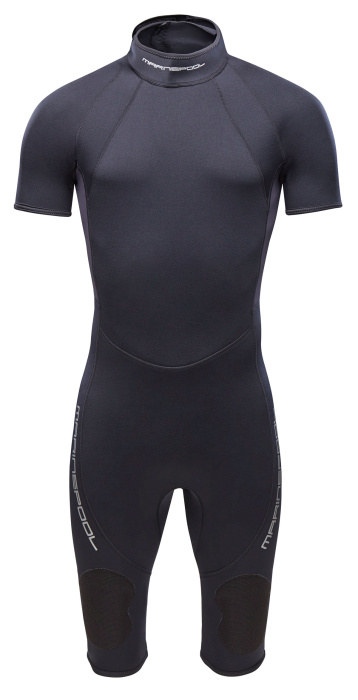
Shorties are wetsuits with short sleeves and short legs, making them ideal for warm weather and watersports during the summer months.
They provide light thermal protection while allowing maximum freedom of movement. This makes them the perfect choice for holidays, leisure activities, and watersports in warm-water conditions.
Expand Your Neoprene Clothing System with Flexible Layering
In addition to full wetsuits and Long John wetsuits, your gear can be enhanced with a range of neoprene accessories. Neoprene tops provide extra thermal protection, while neoprene trousers and neoprene shorts allow you to adapt your clothing system to different temperatures and conditions.
For ambitious dinghy and skiff sailors, kidney belts, hiking pants, and hiking pads are also valuable additions. They help protect the lower back from the cold, improve comfort while hiking out, and reduce strain on the legs and knees during long training sessions or regattas.
Wetsuits as Part of a Functional Sailing Clothing System
Wetsuits form the foundation of many clothing systems used in performance sailing. Combined with neoprene shoes, they provide reliable protection against cold water and moisture. Adding a spray top offers extra protection from wind and spray, while a suitable buoyancy aid ensures the safety required on the water.
Together, these layers create a clothing system that is perfectly tailored to the demands of dinghy and skiff sailors as well as other active watersports enthusiasts.
More than 35 Years of Experience on the Water
Since 1991, Marinepool has stood for premium sailing apparel and watersports equipment—developed by sailors, for sailors. More than 35 years of experience on the water, participation in international regattas, and close collaboration with professional athletes have shaped the development of our products. This expertise is reflected in every sailing jacket, sailing trouser, life jacket, and wetsuit we create.
For many years, Marinepool has worked closely with international sailing teams, professional sailors, and sailing organisations. Long-standing partnerships include the Austrian Sailing Federation, while experience gained from international regattas, offshore passages, and professional offshore racing is continuously incorporated into product development. Sailors test our apparel under real conditions on the water, providing valuable feedback that drives the ongoing refinement of materials, fit, and functionality.
Marinepool also benefits from its close collaboration with competitive sailors and watersports enthusiasts, particularly in the field of performance sailing. Insights gained from dinghy and skiff sailing, as well as other demanding disciplines, are directly applied to the development of our technical neoprene apparel. The result is a collection of wetsuits, Long John wetsuits, and complementary neoprene products that combine excellent thermal protection, exceptional comfort, and maximum freedom of movement.
Experience Meets Innovation
Marinepool combines maritime heritage with modern technology. Premium materials, innovative constructions, and functional details provide reliable protection and exceptional comfort across a wide range of watersports. Whether you're dinghy and skiff sailing, surfing, or diving, Marinepool has stood for quality, performance, and a passion for watersports for more than three decades.
Close collaboration with professional sailors, international sailing teams, and watersports organisations ensures that every collection is tested under real-world conditions and continuously refined to meet the highest standards of performance and functionality.
FAQ - Frequently Asked Questions about Wetsuits
How Should a Wetsuit Fit?
A wetsuit should fit snugly against the body without restricting your movement. A close fit helps minimise the amount of water entering the suit, allowing the neoprene to insulate the body effectively. At the same time, you should still be able to move your arms, shoulders, and legs comfortably. A wetsuit that is too loose will provide less thermal protection, while one that is too tight may restrict movement and reduce overall comfort.
When Are Neoprene Shorts the Right Choice?
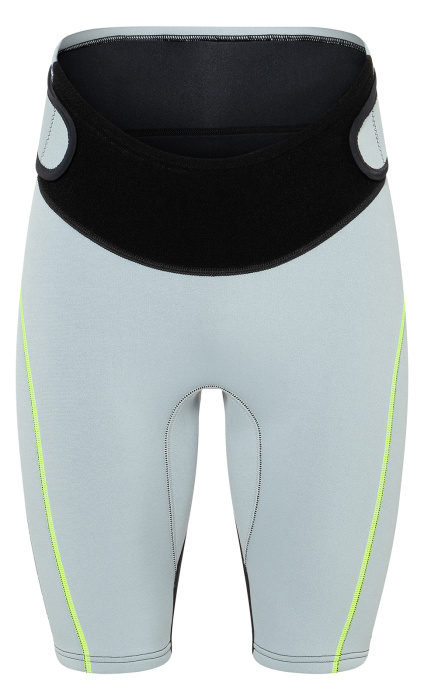
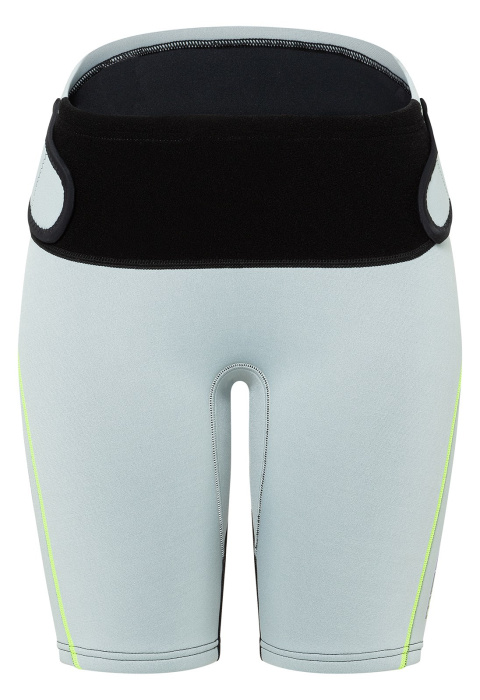
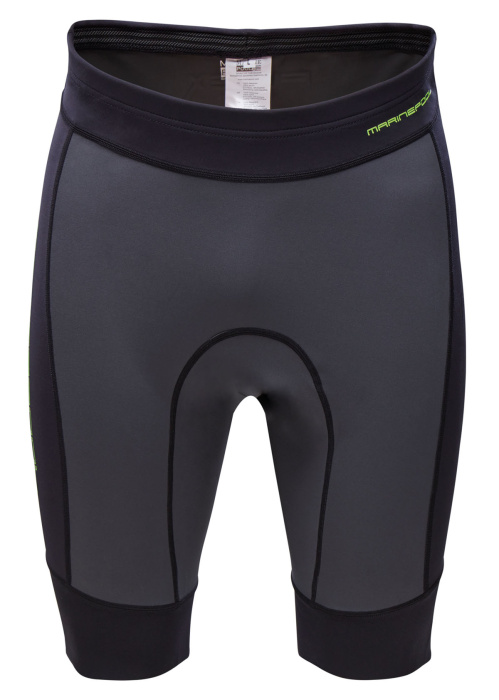
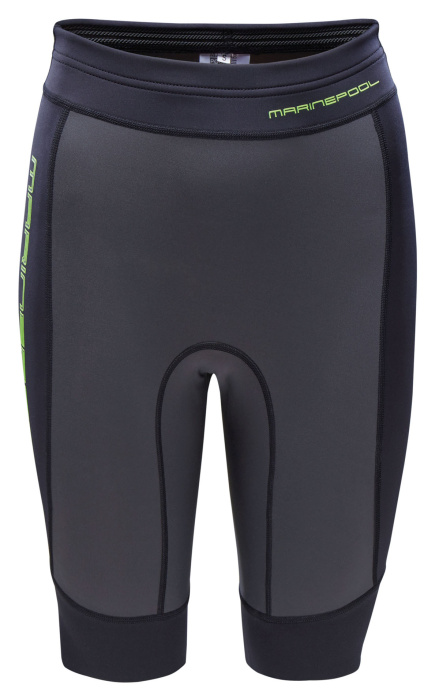
Neoprene shorts are the ideal choice for warm conditions and active watersports enthusiasts who want additional warmth around the core. They provide reliable insulation without restricting freedom of movement, making them especially well suited for dinghy and skiff sailing. Combined with a rash guard or neoprene top, they create a flexible clothing system for summer conditions on the water.
What Should You Wear Under a Wetsuit?
A rash guard or a technical baselayer is commonly worn underneath a wetsuit. These close-fitting garments help reduce friction between the skin and the neoprene while also making the wetsuit easier to put on and take off. In addition, they efficiently wick moisture away from the body, ensuring lasting comfort even during extended periods on the water.
To maintain the wetsuit's optimal fit and thermal performance, any clothing worn underneath should fit snugly against the body and remain free from folds or wrinkles.
Which Neoprene Thickness Is Suitable for Different Temperatures?
The ideal neoprene thickness depends on the water temperature, air temperature, and your personal sensitivity to the cold. Thinner neoprene is best suited for warm summer conditions, while thicker materials provide greater insulation in colder environments.Marinepool offers neoprene apparel in 2.5 mm, 3/4 mm, and 4/5 mm thicknesses, allowing you to choose the right option for different weather conditions and watersports activities. In addition to temperature, the duration of your time on the water and the type of watersport should also be considered when selecting the appropriate neoprene thickness.
Summary
Marinepool wetsuits provide reliable thermal protection, outstanding freedom of movement, and exceptional comfort for active watersports enthusiasts. Whether you choose a full wetsuit, Long John wetsuit, Shorty, or a two-piece system consisting of a salopette and neoprene top, each option can be adapted to suit different weather conditions and activities. Dinghy and skiff sailors in particular benefit from the flexibility of combining their neoprene apparel with rash guards, spray tops, and other neoprene accessories. Paired with neoprene shoes and a suitable buoyancy aid, they create a complete clothing system for inshore and coastal sailing as well as many other watersports. For over 35 years, Marinepool has been developing high-quality neoprene apparel that combines comfort, functionality, and performance on the water.
Last Updated: July 2026