Softshell
-
-
-
-
-
Sale
-
-
-
-
-
Sale
-
Sale
-
Sale
-
Sale
-
Sale
-
Sale
-
Sale
-
Sale
-
Sale
Marinepool Softshell Jackets for Women and Men
Table of Contents
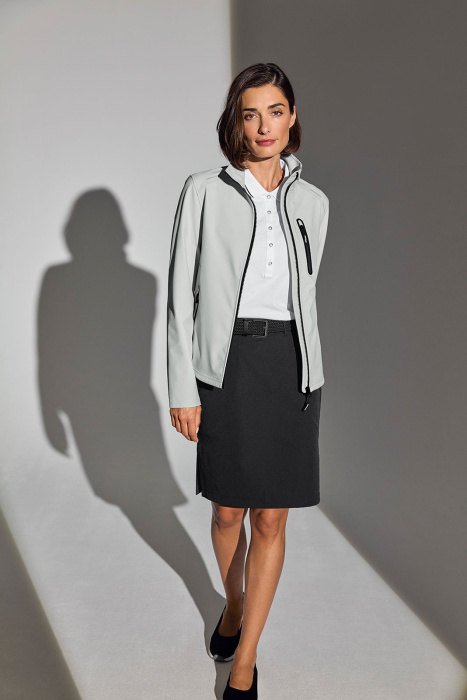
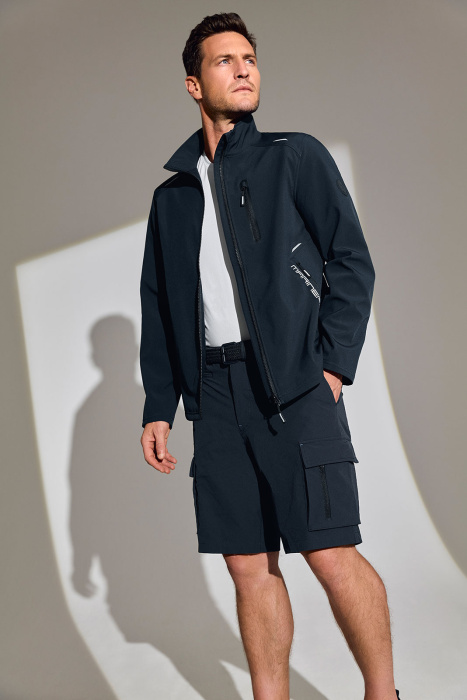
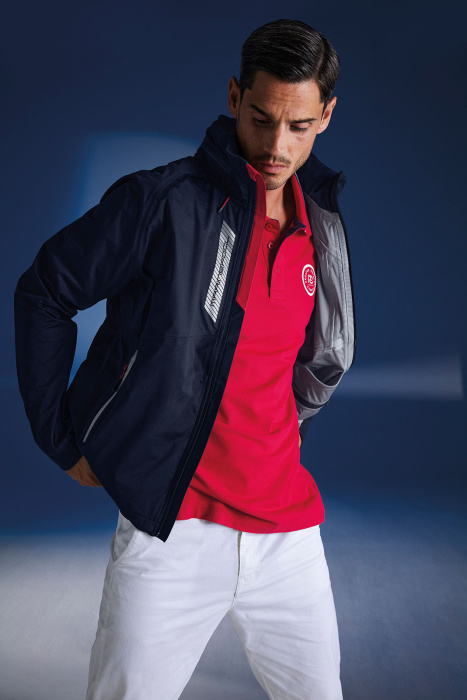
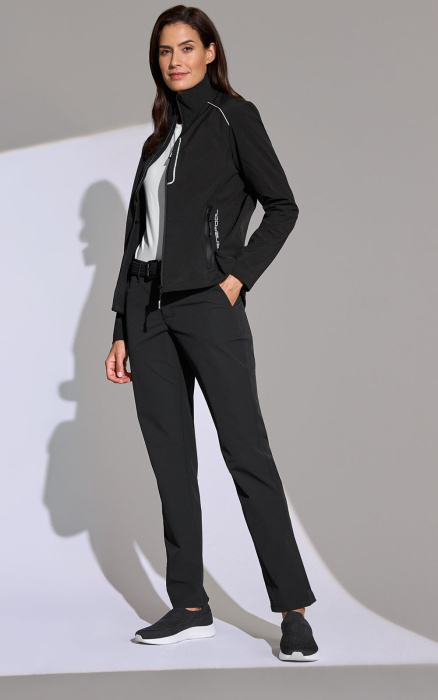
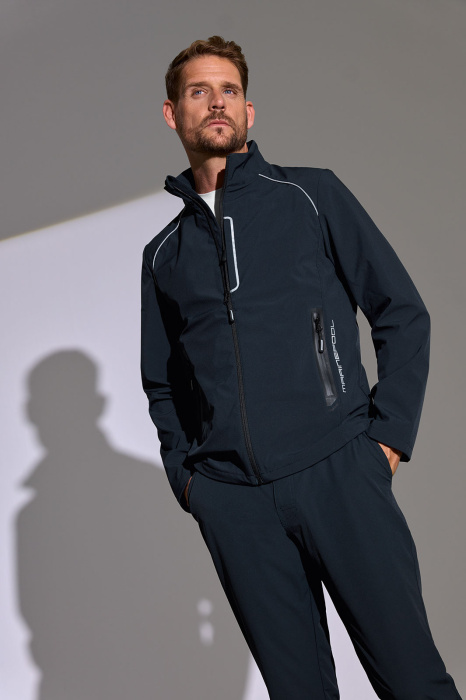
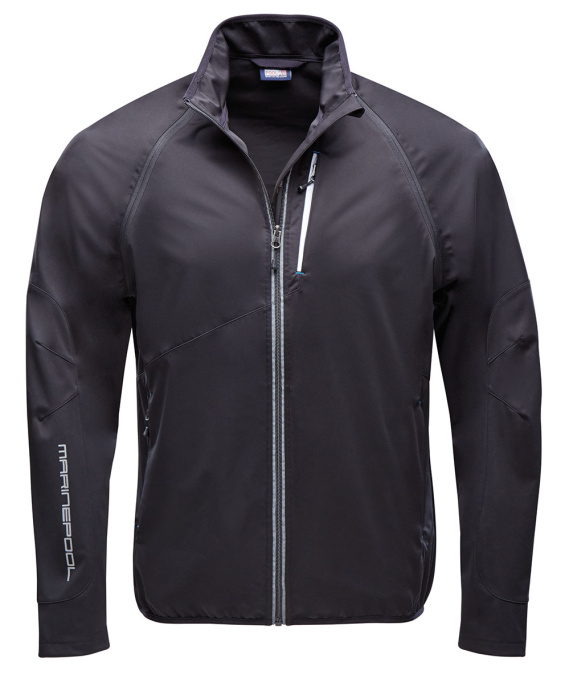
Softshell jackets are among the most versatile garments for outdoor activities and watersports. They combine the advantages of a lightweight transitional jacket with functional properties such as wind protection, breathability, and a high degree of freedom of movement. This makes them suitable for both sailors and outdoor enthusiasts looking for a flexible and comfortable jacket for changeable weather conditions.
Especially on the water, weather conditions can change within a short period of time. While temperatures may still be cool in the morning, they can become significantly warmer during the day. Softshell jackets fill exactly this gap between insulating midlayers and fully waterproof sailing apparel. They provide comfortable warmth, protect against wind and light rain, and at the same time help maintain a balanced body climate during physical activity.
For sailors, softshell jackets are particularly popular during the transitional seasons. In spring and autumn, when temperatures around the North Sea, Baltic Sea, or coastal sailing areas are often between 5 and 15 degrees, they provide optimal comfort. On dry days, they can be worn as an outer layer, while in cooler conditions they work perfectly as a midlayer under a sailing jacket. Thanks to their elastic materials, they support every movement on board and do not restrict active manoeuvres.
Beyond use on the water, softshell jackets have long become versatile companions for leisure, travel, and everyday life. Their sporty maritime look makes them the ideal choice for walks around the marina, the yacht club, holidays, outdoor excursions, or the daily commute to work. At the same time, functional materials reliably protect against wind and light precipitation.
For maximum comfort, softshell jackets can be perfectly combined with other Marinepool products. On cooler days, a functional base layer is recommended as the first layer to efficiently transport moisture away from the body. For additional warmth, a lightweight midlayer can be added. In everyday life or while travelling, practical bags and maritime accessories provide additional functionality and complete the outfit in a practical way.
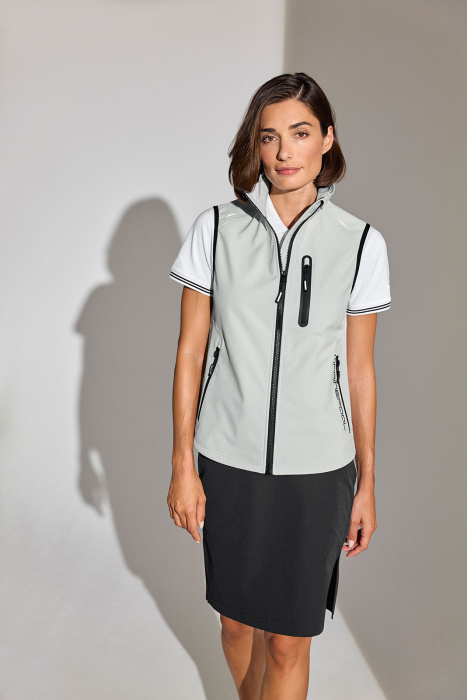
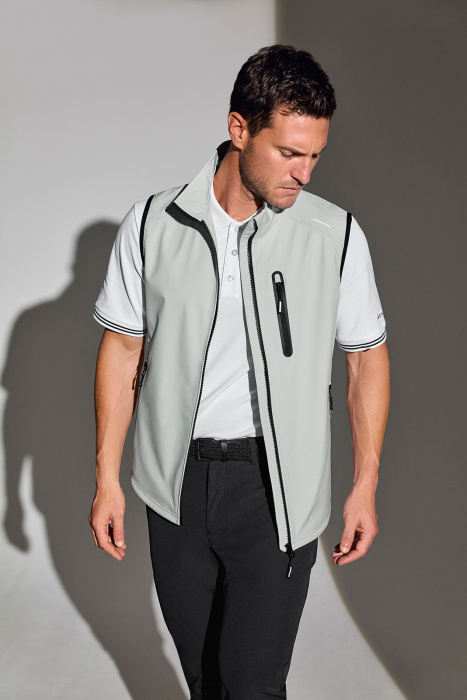
Depending on the intended use, softshell products differ mainly in terms of cut, insulation, and features. While classic softshell jackets provide comprehensive weather protection for changeable conditions, softshell vests focus on maximum freedom of movement and flexible use. The following overview shows the most important differences.

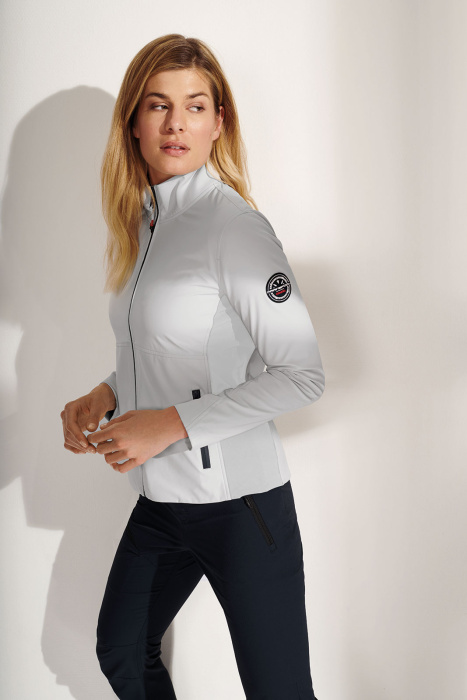
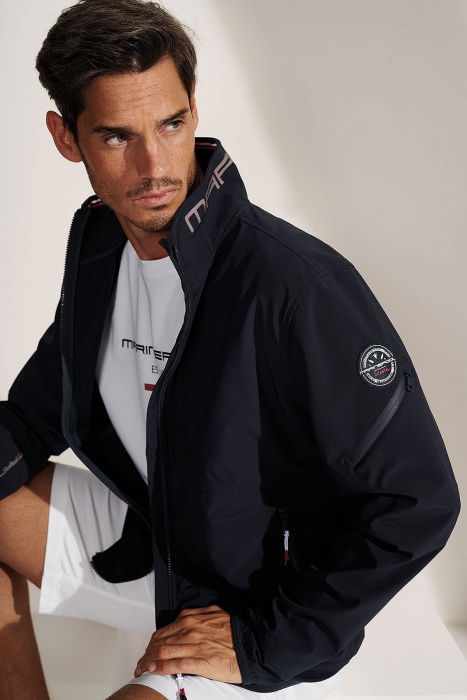
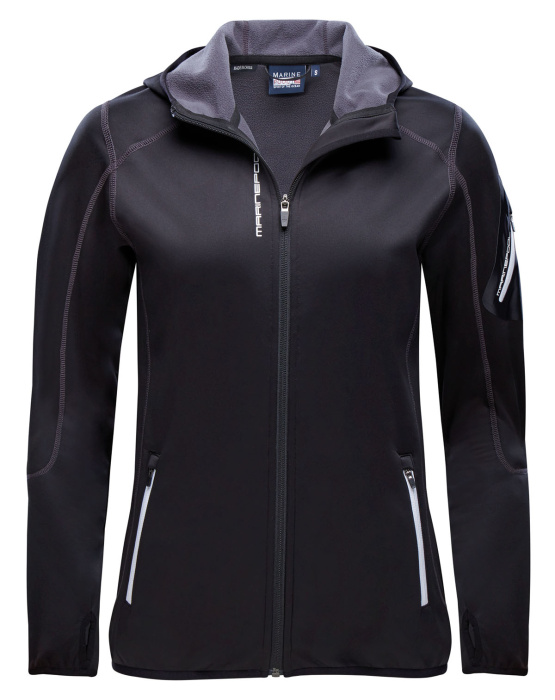
Softshell jackets are the ideal choice for anyone looking to combine reliable weather protection with high wearing comfort. They protect against wind, light rain, and cool temperatures and are particularly suitable for sailing trips, outdoor activities, and everyday wear. Thanks to their elastic materials, they offer optimal freedom of movement and can be worn both as an outer layer and as a midlayer under a waterproof sailing jacket.
Especially in coastal regions, on the Baltic Sea or North Sea, and in changeable weather conditions during spring and autumn, softshell jackets show their strengths. They provide sufficient warmth without being too heavy or bulky, making them perfect for active watersports enthusiasts and outdoor lovers.

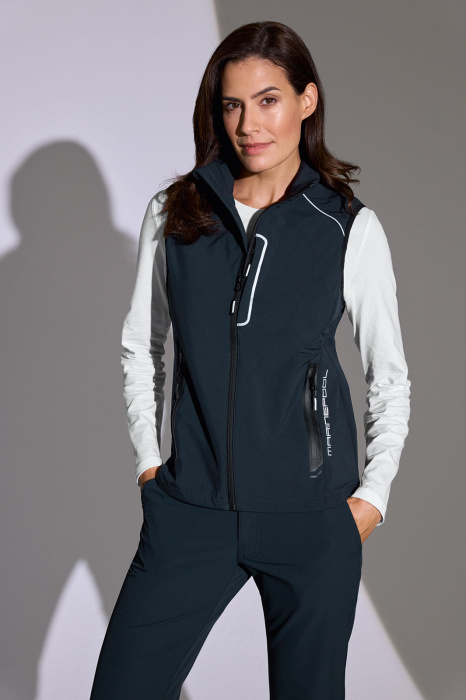
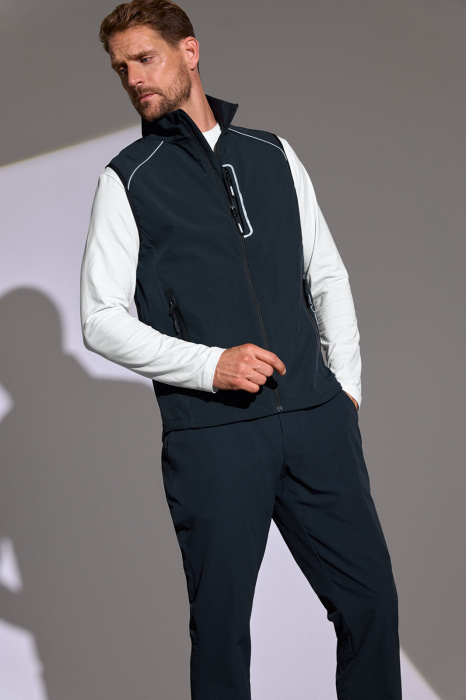
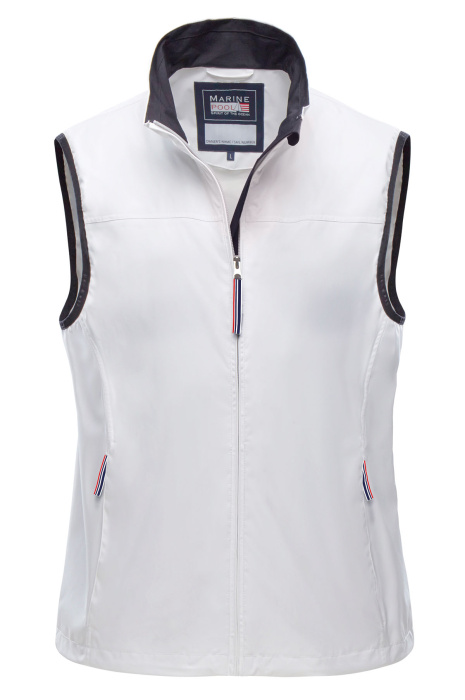
Softshell vests offer the same functional advantages as softshell jackets, but focus more strongly on maximum freedom of movement. Thanks to the sleeveless design, the upper body stays comfortably warm while the arms and shoulders remain completely unrestricted. This is a major advantage, especially when sailing, working around the marina, or taking part in sporting leisure activities.
Softshell vests are ideal as an additional insulating layer over a base layer or sweater and can be flexibly adapted to changing temperatures. They are particularly popular with sailors, yacht owners, and outdoor enthusiasts looking for a lightweight and versatile solution for the transitional seasons.
Waterproof Rating
The waterproof rating indicates how waterproof a material is. It is measured in millimetres (mm) and describes the amount of water pressure a fabric can withstand before moisture penetrates.
-
5,000 mm waterproof rating: Protection against light rain and short showers
-
8,000–10,000 mm waterproof rating: Reliable protection in changeable weather conditions
-
10,000 mm+ waterproof rating: Increased weather protection for extended periods outdoors
With softshell jackets, however, the focus is not on complete waterproofing as with classic offshore gear. Instead, they offer a balanced combination of weather protection, breathability, and wearing comfort. This makes them ideal for transitional seasons as well as activities where freedom of movement and comfort are more important than maximum rain protection.
Breathability
Breathability describes how effectively water vapour and body moisture are transported through the material to the outside. It is usually measured in grams per square metre over 24 hours (g/m²/24h).
-
5,000 g/m²/24h: Solid breathability for everyday wear and leisure
-
10,000 g/m²/24h: Good breathability for active outdoor activities
-
15,000 g/m²/24h+: Very good moisture transport during high levels of physical activity
The higher the breathability, the more comfortable the body climate remains during movement. Especially when sailing, hiking, or spending extended periods outdoors, breathable material helps prevent heat build-up and ensures that excess heat can be released effectively.
Why Are Waterproof Rating and Breathability Important?
A high-quality softshell jacket combines weather protection with high wearing comfort. While the waterproof rating provides protection against light rain, spray, and wind, breathability allows moisture to escape from the inside to the outside.
Especially during active outdoor and watersports activities, movement generates body heat. Without sufficient breathability, moisture would build up inside the jacket. Only the combination of both properties ensures that softshell clothing remains comfortable to wear even in changing weather conditions.
The 3-Layer Principle
With the proven 3-layer principle, softshell jackets can be used particularly flexibly. The first layer (base layer)transports moisture away from the body and ensures comfortable wear. The second layer provides thermal insulation and, depending on the temperature, can consist of fleece or lightweight functional clothing.
Softshell jackets often serve as the outer layer in dry to changeable conditions or as a functional midlayer under a waterproof sailing jacket. Especially in spring and autumn, this combination provides optimal protection against wind, cool temperatures, and light spray. On the water, softshell jackets provide reliable protection against spray and brief exposure to moisture on board without restricting breathability or freedom of movement. This makes them ideal for sailors looking for high wearing comfort and flexible weather protection in changeable conditions.
On the North Sea, Baltic Sea, or in coastal sailing areas, softshell jackets are particularly popular at temperatures between 5 and 15 degrees. They provide sufficient warmth for cool mornings while remaining breathable enough for active periods on board. Thanks to the flexible layering system, the clothing can be individually adapted to the weather, temperature, and activity level.

Softshell Jacket or Hardshell Jacket – What Are the Differences?
Softshell jackets and hardshell jackets are designed for different purposes. While hardshell jackets focus on maximum waterproof protection and weather resistance, softshell jackets prioritise comfort, freedom of movement, and breathability.
Softshell jackets are particularly suitable for dry to slightly changeable conditions, where flexibility and comfort are the main priorities. Hardshell jackets, on the other hand, are used in heavy rain, harsh weather, or during extended periods in extreme conditions.
Many sailors therefore use both systems: the softshell jacket as a comfortable midlayer or transitional jacket and the waterproof sailing jacket as the outer protective layer in demanding weather conditions.
Over 35 Years of Experience on the Water
Marinepool has been developing functional sailing apparel since 1991 according to the principle “From Sailors for Sailors.” The brand was founded by active sailors and continues to work closely with sailing clubs, national teams, competitive sailing associations, and sea rescue organisations. The practical experience gained through these partnerships flows directly into product development.
Marinepool has been and continues to be a partner of numerous international regattas, sailing events, and top-level teams. These include the Austrian Sailing Federation, the German Sailing League, and the Bayerischer Yacht-Club. The products are tested under real-world conditions and continuously refined.
Marinepool benefits particularly in the field of offshore sailing from its collaboration with renowned ocean sailors such as Vendée Globe skipper Fabrice Amedeo. For his solo passages lasting several months across the world’s largest oceans, he relies on Marinepool offshore apparel. The experience gained from one of the toughest solo regattas in the world provides valuable insights for the development of sailing jackets and offshore gear that provide reliable protection even under extreme weather conditions.
Experience Meets Innovation
Marinepool combines maritime tradition with modern technology. High-quality materials, innovative membranes, and functional details provide reliable protection and high wearing comfort in all weather conditions. Whether coastal sailing, offshore adventures, or leisure time on the water – Marinepool has stood for quality, performance, and a passion for watersports for more than three decades. Close collaboration with professional sailors, international sailing teams, and watersports associations ensures that every collection is tested under real-world conditions and continuously refined.
FAQ – Frequently Asked Questions About Softshell Jackets & Vests
Why Are Softshell Jackets Suitable for Sailing Teams?
Softshell jackets combine functionality with a consistent appearance. They offer high wearing comfort in changing weather conditions and are ideal for clubs, regatta teams, and crew wear. Many crew wear softshell jackets are suitable for customisation with club logos, team names, or company branding. This creates a professional and consistent team appearance.
Can I Wear a Softshell Jacket for Everyday Use?
Yes, softshell jackets are versatile and, in addition to sailing, are also suitable for leisure, travel, and outdoor activities. Their sporty maritime look makes them popular all-rounders.
How Should a Softshell Jacket Fit?
A softshell jacket should fit close to the body without restricting freedom of movement. This provides optimal comfort while leaving enough room for a base layer or lightweight midlayer underneath.
How Do I Properly Care for a Softshell Jacket?
Softshell jackets should be washed in accordance with the product-specific care instructions. Regular cleaning removes dirt and residues and can help maintain the material’s water-repellent properties and performance. The respective instructions for drying, reproofing and storing the product should also be followed.
Summary
Marinepool softshell jackets and vests combine weather protection, comfort, and freedom of movement in a versatile clothing solution for sailors, watersports enthusiasts, and outdoor lovers. They provide reliable protection against wind, light rain, and spray and are particularly suitable for transitional seasons at temperatures between 5 and 15 degrees. Thanks to their breathable materials and elastic construction, they offer high wearing comfort during active leisure and sports activities as well as on board. Whether as a lightweight transitional jacket for everyday wear, a functional layer on the yacht, or a midlayer under a waterproof sailing jacket – softshell clothing can be flexibly adapted to different weather conditions. Combined with base layers, bags, and other functional clothing, it creates a versatile clothing system for coastal sailing areas, the Baltic Sea, the North Sea, and numerous outdoor adventures.
Last updated: June 2026