Buoyancy aids
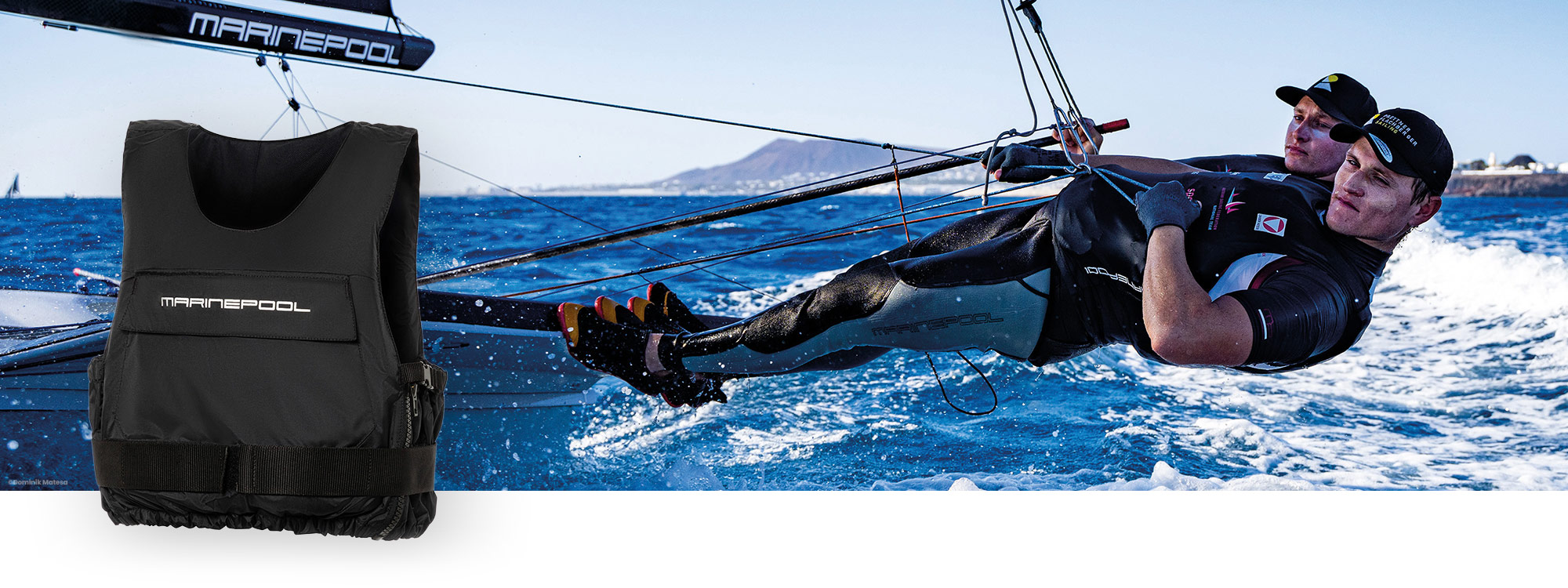
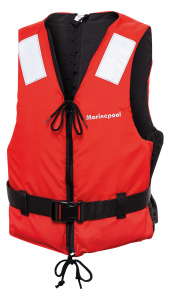
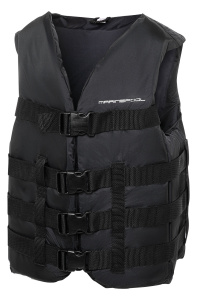
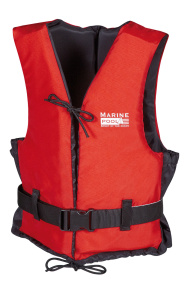
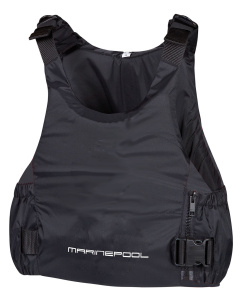
Buoyancy aids in the 50 Newton (N) category are specifically designed for sheltered waters. They are ideal for water sports such as dinghy and regatta sailing, windsurfing, stand-up paddling, and kayaking – where mobility is just as important as safety. Certified according to ISO 12402-5, these buoyancy aids provide safety for conscious swimmers who need light support. As 50 N models are considered buoyancy aids, they are not suitable for unconscious situations.
BUOYANCY AIDS FOR ADULTS
-
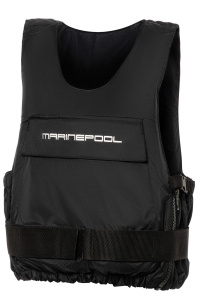 50N Lake Pro CE PE PROMO with BagSpecial Price €59.90 Regular Price €69.90Incl. VAT, excl. shipping cost
 -
-
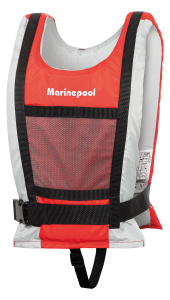 50N SUP Canoe Vest ISO with pocketSpecial Price €29.90 Regular Price €35.90Incl. VAT, excl. shipping cost
 -
-
-
-
-
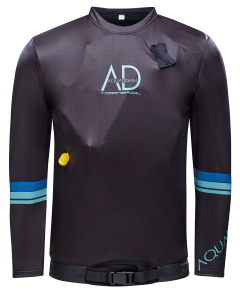
-
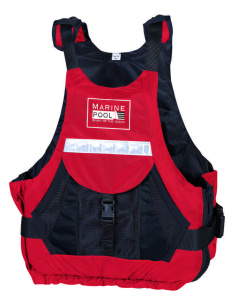 50N EXPEDITION KAYAK PE ISOSpecial Price €39.90 Regular Price €69.90Incl. VAT, excl. shipping cost
BUOYANCY AIDS FOR CHILDREN
-
-
-
50N Lake Pro CE PE PROMO with BagSpecial Price €59.90 Regular Price €69.90Incl. VAT, excl. shipping cost
-
-
-
50N EXPEDITION KAYAK PE ISOSpecial Price €39.90 Regular Price €69.90Incl. VAT, excl. shipping cost
Are you looking for a life jacket for your child that ensures safety even in the event of unconsciousness?
BUOYANCY AIDS FOR DOGS
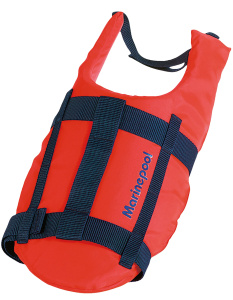
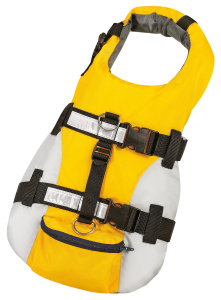
We also offer the right vests for your loyal companion – available in various sizes. The carrying handle is especially important, allowing you to safely lift your dog out of the water when needed.
Buoyancy Aids & 50N Life Vests
Buoyancy aids and 50N life vests provide additional support for active watersports where freedom of movement matters. A buoyancy aid helps you stay afloat and move more easily at the water surface, but it is not designed to turn an unconscious person face-up. Marinepool offers buoyancy aids and life vests for sailing, SUP, kayaking, canoeing, fishing, waterskiing, wakeboarding, children and dogs.
Which buoyancy aid is right for your watersport?
A buoyancy aid is designed for people who can swim, remain conscious in the water and actively contribute to their own safety. It provides additional buoyancy, supports floating and swimming, and can help reduce fatigue in the water. At the same time, a 50N buoyancy aid remains compact enough to allow the freedom of movement needed for sailing, paddling, surfing, waterskiing or wakeboarding.
Marinepool buoyancy aids and 50N life vests are built with performance in mind. The key question is not only how much buoyancy a vest provides, but how it behaves during the specific sport. Are your arms free while paddling? Does the buoyancy aid stay in place while sitting in a kayak? Does it restrict sail handling or quick movements on a dinghy? Can the life vest be adjusted securely for wakeboarding or waterskiing? These details determine which vest is right for each activity.
For regatta sailors, dinghy sailors and skiff sailors, short and close-fitting buoyancy aids are a strong choice because they allow free movement around the shoulders and upper body. For stand-up paddleboarding, kayaking and canoeing, models with open arm movement, secure waist adjustment and practical pockets are useful. Waterski and wakeboard riders need a life vest that sits close to the body during dynamic movement. Anglers usually look for storage, robust materials and long-wearing comfort.
For families and dogs, choosing the right vest is just as important. Children’s buoyancy aids must be selected carefully according to swimming ability, body weight and use. Dogs benefit from additional buoyancy during boat trips, SUP tours or longer swimming sessions, especially when the dog life jacket has a secure fit and a strong handle. The key point remains the same: a buoyancy aid or 50N life vest is a performance-oriented floating aid. If face-up support for an unconscious person is required, a life jacket is the right choice.
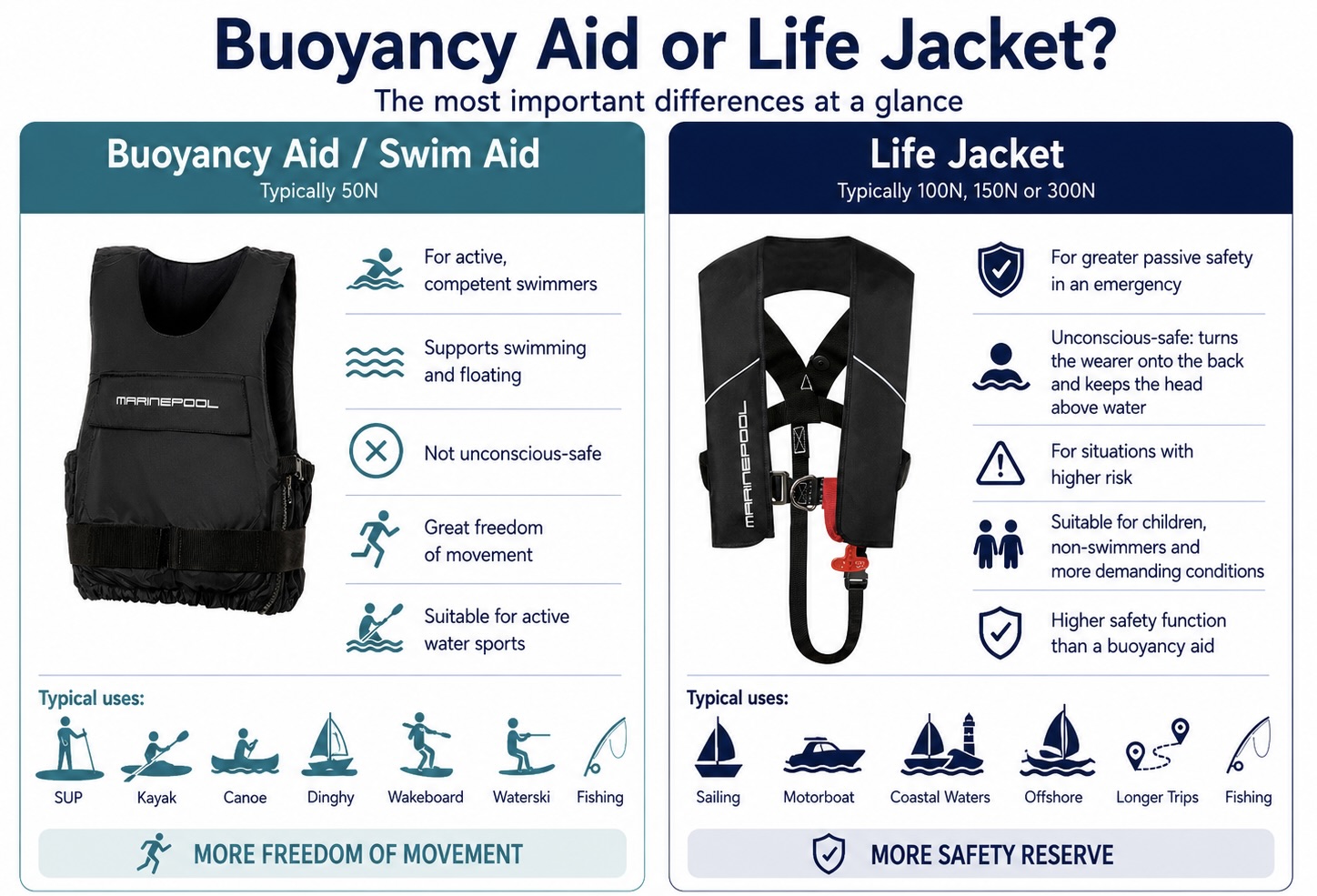
Buoyancy aid, life vest or life jacket – what is the difference?
In everyday watersports language, the term life vest is often used as a general name for a flotation vest. On this Marinepool category page, however, we focus on 50N buoyancy aids: performance-oriented life vests for active watersports users who can swim, remain conscious and move independently in the water.
A life jacket has a different safety function. A properly selected life jacket is designed to help turn a person in the water onto their back and keep the head and airways clear as effectively as possible. This is especially important if the person is exhausted, injured or unconscious.
A buoyancy aid or 50N life vest does not provide this function. It helps you stay more easily at the water surface, but it does not guarantee a face-up position if the wearer is unconscious. That is why choosing between a buoyancy aid, life vest and life jacket is not only a question of wording. It is a safety decision.
For sailing, SUP, kayaking, canoeing, fishing, waterskiing and wakeboarding on sheltered waters, a 50N life vest can be the right choice. For non-swimmers, weak swimmers, small children, colder water, rougher conditions, offshore use or longer trips, a proper life jacket should be considered.
What does 50N mean on a buoyancy aid or life vest?
50N stands for 50 Newtons of buoyancy. A 50N buoyancy aid belongs to the category of floating aids designed for sheltered waters and active users who can swim and remain conscious.
In practice, this means:
- A 50N buoyancy aid supports floating and swimming.
- 50N life vests are designed for sports with a high level of movement.
- They are mainly intended for sheltered waters.
- Help should be available nearby.
- They are not designed to turn an unconscious person face-up.
- The correct size and body weight range are essential.
- For small children, non-swimmers or weak swimmers, a life jacket is usually the better choice.
A Marinepool 50N buoyancy aid is therefore not a universal rescue device for every situation. It is sports safety equipment for active watersports users who want to combine freedom of movement with additional buoyancy.
What does ISO 12402-5 mean?
ISO 12402-5 is the relevant standard category for 50N buoyancy aids. It describes floating aids intended for users who can actively help themselves in the water and are using sheltered waters where help is nearby.
For watersports users, this classification is important because it clearly defines the purpose of the product. A 50N buoyancy aid can support you while swimming or floating, but it is not designed to provide the same passive safety as a life jacket with a higher buoyancy class.
This makes ISO 12402-5 buoyancy aids ideal for many active watersports, but not for every situation. The right choice always depends on swimming ability, water conditions, distance from help, clothing and the activity itself.
Which buoyancy aids are available for adults, children and dogs?
The main buoyancy aids category gives you an overview of different use cases. If you are looking for an adult buoyancy aid or adult life vest, you will find models for sailing, SUP, kayaking, canoeing, waterskiing, wakeboarding, fishing and leisure use. These vests differ in cut, closure system, pockets, buoyancy foam and freedom of movement.
Children’s buoyancy aids require particularly careful selection. A 50N buoyancy aid is only suitable for children who can already swim, are supervised and are using sheltered waters. For small children, non-swimmers or weak swimmers, a children’s life jacket or a model with a higher buoyancy class should be considered.
Dog life jackets support your dog’s buoyancy when swimming, travelling by boat or joining you on a stand-up paddleboard. A secure fit, the right size, free movement of the front legs and a strong handle are especially important. For larger dogs, older dogs or longer trips, a dog buoyancy aid or dog life vest can noticeably improve comfort and safety on the water.
Buoyancy aids and life vests compared: which vest for sailing, SUP, kayaking, fishing or waterskiing?
| Use case | What matters most? | Suitable Marinepool examples |
| Regatta, dinghy & skiff sailing | Short cut, close fit, free shoulder movement, low volume | 50N Lake Pro CE PE, 50N Lake Pro CE PE PROMO with Bag, 50N TITANIUM PE ISO |
| SUP, canoeing & kayaking | Open arm movement, secure fit when seated or standing, waist adjustment, practical pocket | 50N SUP Canoe Vest ISO with pocket, 50N EXPEDITION KAYAK PE ISO |
| Waterskiing & wakeboarding | Close-fitting shape, adjustable straps, flexible buoyancy foam | 50N ISO Waterski Vest, 50N Active ISO ZIP REFLEX |
| Fishing | Storage, robust construction, adjustable straps, comfort over longer periods | 50N Angling I CE |
| Leisure & boating | Easy handling, secure fit, good comfort, freedom of movement | 50N Active ISO ZIP Vest, 50N Active ISO w/o zip, 50N Active ISO ZIP REFLEX, 50N TITANIUM PE ISO |
| Children | Correct weight range, secure fit, supervision, swimming ability, potentially higher buoyancy class | Children’s buoyancy aids or children’s life jackets depending on use |
| Dogs | Size according to body shape, free leg movement, secure straps, lifting handle | Dog Lifejacket, Dog PREMIUM lifejacket |
What should you look for when buying a buoyancy aid or life vest?
When buying a buoyancy aid, the first question should always be the watersport you want to use it for. A sailing buoyancy aid needs to allow different movements than a kayak buoyancy aid. A fishing life vest needs different details than a waterski or wakeboard vest. After that, size, body weight range, fit and closure system become important.
The vest should sit close enough to the body so that it does not ride up in the water. At the same time, it must not restrict breathing or movement. Check the fit with the clothing you will actually wear on the water. If you use neoprene, a rash guard, a base layer, mid layer or light sailing clothing underneath, the straps may need a different adjustment.
Useful details depend on the sport. Front pockets are practical for SUP, kayaking, canoeing and fishing. Reflective elements improve visibility. A front zip makes the vest easy to put on. Additional straps improve security. For high-movement activities, flexible buoyancy foam and ergonomic cuts are particularly important.
How should a buoyancy aid or life vest fit?
A buoyancy aid should fit close to the body. Close all zips, buckles and straps before use. If you pull the vest upwards at the shoulders, it should not slide up over the chin or head. This simple check helps show whether the buoyancy aid will stay in place in the water.
When paddling, the vest should not press against the chin, throat or kayak seat. When sailing, it should allow rotation, sail handling and quick changes of position. For waterskiing or wakeboarding, it must not feel loose during dynamic movement.
For children, the vest must match their current size and weight. A buoyancy aid that is too large is not safer; it can ride up. For dogs, the life vest should sit securely around the body without restricting the front legs.
Which materials and features matter in buoyancy aids?
Many buoyancy aids use lightweight, flexible foam panels that provide additional buoyancy without limiting movement too much. The outer material should be robust enough to withstand friction, spray and regular use.
The cut is just as important as the material. Shorter buoyancy aids are useful for seated positions in a kayak or active movement on deck. Longer, close-fitting models can be comfortable for leisure boating, waterskiing or wakeboarding. Front-zip designs are easy to put on, while strap-based systems allow flexible adjustment.
Depending on the activity, extra features can make a big difference: pockets for anglers or paddlers, reflective details for better visibility, crotch straps to reduce riding up, comfortable shoulder areas or large arm openings for unrestricted paddle movement.
Which life vest is best for kayaking, canoeing or SUP?
For kayaking, canoeing and SUP, the best life vest is usually a 50N buoyancy aid with free arm movement, secure adjustment and a cut that works while sitting, kneeling or standing. A bulky vest can be uncomfortable when paddling and may restrict the upper body.
In a kayak or canoe, the vest should not push upwards against the seat or press against the throat. For SUP, it should stay secure when you paddle, kneel, stand up or fall into the water. A front pocket can be useful for small items, while reflective details improve visibility during longer sessions or changing light conditions.
Which buoyancy aid is right for fishing?
A fishing buoyancy aid should combine buoyancy, comfort and storage. Pockets and attachment loops are helpful when small items need to stay within reach. At the same time, the vest should not restrict casting, sitting or moving around the boat.
A 50N fishing life vest is suitable for anglers who can swim, use sheltered waters and want a flexible floating aid rather than a bulkier life jacket. For more exposed conditions, colder water or longer distances from help, a life jacket should be considered instead.
Which dog life jacket is right for a Golden Retriever, Labrador or large dog?
A dog life jacket should not only provide buoyancy. It must fit securely. The dog’s front legs need to move freely, the vest should not rub, and it should not slip around the body. A strong handle is especially useful when you need to lift your dog out of the water, back onto a boat or onto a SUP.
For small dogs, low weight is important. For large dogs such as Golden Retrievers or Labradors, the combination of buoyancy, secure straps and the correct back length is essential. Even dogs that swim well can benefit from additional support during longer distances, current, waves, cold water or when getting in and out of the water.
How should you care for and check a buoyancy aid?
Rinse your buoyancy aid with clean water after contact with salt water or dirty water. Let it dry completely in the air before storing it. Avoid direct heat, tumble dryers, radiators and prolonged strong sunlight.
Check straps, seams, zips, buckles and buoyancy foam regularly. If the foam is damaged, heavily compressed or deformed, the vest should no longer be used. A buoyancy aid that no longer fits properly or rides up in the water should also be replaced.
Over 35 years of experience on the water
Since 1991, Marinepool has developed equipment for people who want to move safely and freely on the water. Our roots are in sailing, but our experience now reaches far beyond it: from regatta sailing to SUP, kayaking, canoeing, waterskiing, wakeboarding, fishing and leisure activities on and around the water.
This practical experience is especially important for buoyancy aids. A buoyancy aid must not only provide additional buoyancy; it has to work while you move. It should not disturb you while paddling, restrict you while sailing, become uncomfortable during a long fishing session or shift around during waterskiing or wakeboarding. Marinepool develops buoyancy aids from these real requirements, combining safety, comfort and performance.
Produced in Europe
The final assembly of our buoyancy aids and lifejackets takes place in Europe. This enables close coordination between product development, quality control and production.
Careful workmanship, a correct fit and the proper functioning of all components are particularly important for safety equipment. Buoyancy aids, lifejackets and other flotation devices are worn in situations where material quality, fit and reliable performance are essential.
During production, attention is therefore paid to all key components: from the buoyancy elements and materials to the straps, fasteners, seams and other functional details. The products are tested in accordance with the applicable requirements.
For you, this means that Marinepool buoyancy aids and lifejackets are manufactured through coordinated production processes focused on function, workmanship and comfort.
From watersports people for watersports people
Marinepool was founded by active sailors. That origin still shapes our product development today. Anyone who spends time on the water knows that safety equipment only works in practice if people actually want to wear it. A buoyancy aid that presses, slips or blocks movement quickly becomes a distraction.
That is why Marinepool does not treat buoyancy aids as one single product type. A buoyancy aid for regatta sailing and dinghy sailing needs a different cut than a buoyancy aid for SUP, kayaking or canoeing. A fishing life vest needs different features than a waterski or wakeboard vest. A dog life jacket has its own requirements for fit, buoyancy, movement and handle position.
This closeness to watersports helps us develop models for specific uses – for adults, children and dogs.
Safety starts with choosing the right equipment
A good buoyancy aid is only the right choice when it matches the situation. Honest advice is therefore essential: a buoyancy aid is a 50N floating aid and is not designed to turn an unconscious person face-up. It helps you stay more easily at the surface, but it requires you to swim, remain conscious and actively contribute to your own safety.
A life jacket has a different purpose. It is designed to support a safer face-up position in the water and help keep the airways clear. If passive safety is required, a life jacket should be chosen.
This distinction is part of our responsibility as a manufacturer of buoyancy aids and life jackets. We do not want to recommend every product for every situation. We want to help you choose the right equipment for your activity, your body and your environment.
FAQ – Frequently asked questions about buoyancy aids and life vests
Is a buoyancy aid the same as a life jacket?
No. A buoyancy aid is a 50N floating aid. It helps you stay more easily at the water surface, but it is not designed to turn an unconscious person face-up. A life jacket is designed to support a safer face-up position and help keep the airways clear. For active watersports on sheltered waters, a buoyancy aid is often the more flexible option. If a person cannot swim confidently or may not be able to actively help themselves in an emergency, a life jacket is the better choice.
Is a 50N life vest the same as a life jacket?
No. A 50N life vest is usually a buoyancy aid designed for active watersports. It helps you stay afloat and move more easily in the water, but it is not designed to turn an unconscious person face-up. A life jacket provides a higher level of passive safety and is intended to help keep the head and airways clear.
When is a 50N buoyancy aid the right choice?
A 50N buoyancy aid is suitable for watersports where you need freedom of movement and can actively orient yourself in the water. Typical uses include sailing, SUP, kayaking, canoeing, windsurfing, waterskiing, wakeboarding and fishing on sheltered waters. You should be able to swim, remain conscious and have help available nearby.
Which buoyancy aid is best for sailing?
For sailing, especially dinghy sailing, skiff sailing and regattas, a short and close-fitting buoyancy aid is ideal. It should not interfere when hiking, trimming sails, steering or moving quickly around the boat. Models with open shoulder movement and a compact shape are particularly useful. If you are sailing larger boats, colder waters or more exposed areas, check whether a life jacket may be the safer choice instead.
What is the best life vest for kayaking or SUP?
The best life vest for kayaking or SUP is a 50N buoyancy aid with free arm movement, a secure fit and a cut that works while sitting, kneeling or standing. For kayaking, the vest should not ride up against the seat or press against the throat. For SUP, it should stay in place when you paddle, kneel or fall into the water. Pockets, adjustable straps and reflective details can be useful for longer sessions.
What buoyancy aid should anglers choose?
A fishing buoyancy aid should combine buoyancy, comfort and storage. Pockets and attachment loops are helpful when small items need to stay within reach. At the same time, the vest should not restrict casting, sitting or moving around the boat. A 50N fishing buoyancy aid is suitable for anglers who can swim, use sheltered waters and want a flexible floating aid rather than a bulkier life jacket.
Can children wear a 50N life vest?
Children can wear a 50N life vest only if they can swim, are supervised and use it on sheltered waters. A children’s buoyancy aid supports flotation but does not reliably turn a child into a face-up position. For small children, non-swimmers or weak swimmers, a children’s life jacket is usually the safer choice. The vest must match the child’s current weight and size. Buying too large is not safer because the vest may ride up in the water.
Which life vest fits a Golden Retriever, Labrador or large dog?
For a Golden Retriever, Labrador or other large dog, the life vest should match the dog’s back length, chest size and body shape. Adjustable straps, enough buoyancy, free movement of the front legs and a strong lifting handle are especially important. Even strong swimmers can benefit from a dog life vest during boat trips, SUP sessions, longer swimming distances or when the dog needs help getting back on board.
How tight should a buoyancy aid fit?
A buoyancy aid should be tight enough that it does not slide up over the chin or head in the water. Close all straps and pull the vest upward at the shoulders as a quick fit check. If it moves significantly, it is too large or not adjusted correctly. At the same time, it should not restrict breathing or movement.
Can I wear a buoyancy aid over neoprene or sailing clothing?
Yes. A buoyancy aid is worn over the clothing you use on the water. This may be a rash guard, wetsuit, base layer, mid layer or light sailing clothing. The important point is that the vest is adjusted with that clothing underneath. A buoyancy aid that fits over a T-shirt may fit differently over thicker neoprene or a jacket.
Is a buoyancy aid a PFD?
Yes, in broad terms a buoyancy aid is a type of personal flotation device, often shortened to PFD. However, PFD is a general term and does not automatically describe the exact safety function. A 50N buoyancy aid supports floating and swimming, but it is not designed to turn an unconscious person face-up. Always check the buoyancy class and intended use before choosing a PFD for watersports.
When should a buoyancy aid be replaced?
A buoyancy aid should be replaced if the foam panels are damaged, heavily compressed or deformed. Broken buckles, worn straps, open seams, damaged zips or brittle materials are also clear warning signs. Check the vest before every season and after intensive use. If it no longer fits securely, it should not be used on the water.
Is every Marinepool buoyancy aid suitable for every watersport?
No. Marinepool offers different buoyancy aids because each sport has different requirements. A regatta or dinghy vest is built for movement. A SUP or kayak buoyancy aid is designed around paddling and seated positions. A fishing buoyancy aid focuses on storage and comfort. The best buoyancy aid is the one that matches the activity, the body shape and the safety requirements.
Which ISO standard applies to Marinepool buoyancy aids?
Depending on the model, Marinepool buoyancy aids are designed as 50N buoyancy aids according to ISO 12402-5. This standard applies to flotation aids that support active users while swimming and floating. The key distinction is important: ISO 12402-5 does not describe a life jacket, but a buoyancy aid for people who can swim, are conscious and are using it in sheltered waters. That is why Marinepool buoyancy aids are particularly suitable for active watersports such as dinghy sailing, SUP, kayaking, canoeing or wakeboarding. If passive safety, self-righting performance or higher buoyancy is required, a Marinepool life jacket according to ISO 12402-4, ISO 12402-3 or ISO 12402-2 is the right choice.
Buoyancy aids and life vests for sport, leisure and safety on the water
Marinepool buoyancy aids and 50N life vests are designed for active watersports users who want additional buoyancy without losing freedom of movement. A buoyancy aid is particularly suitable for sheltered waters and activities such as sailing, SUP, kayaking, canoeing, fishing, waterskiing and wakeboarding. For children and dogs, Marinepool also offers suitable buoyancy aids and dog life jackets where size, weight and use should be checked carefully. The key distinction is important: buoyancy aids and 50N life vests support active users, but they are not designed to turn an unconscious person face-up. If passive safety is required, a life jacket should be chosen. Marinepool develops buoyancy aids and lifejackets based on many years of experience in water sports. Final assembly takes place in Europe.
Last updated: September 2026