Vests
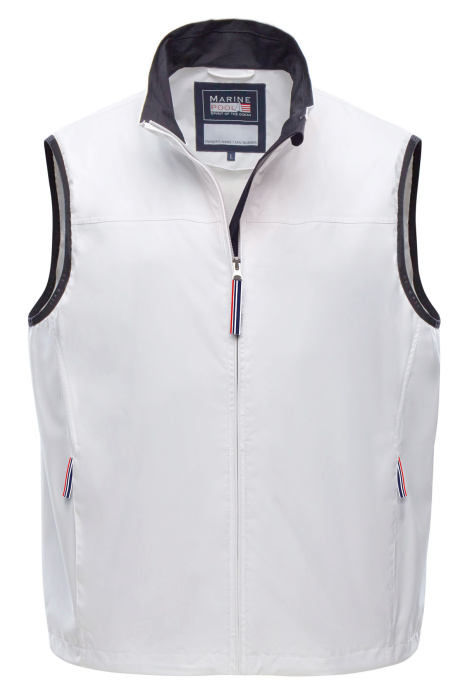
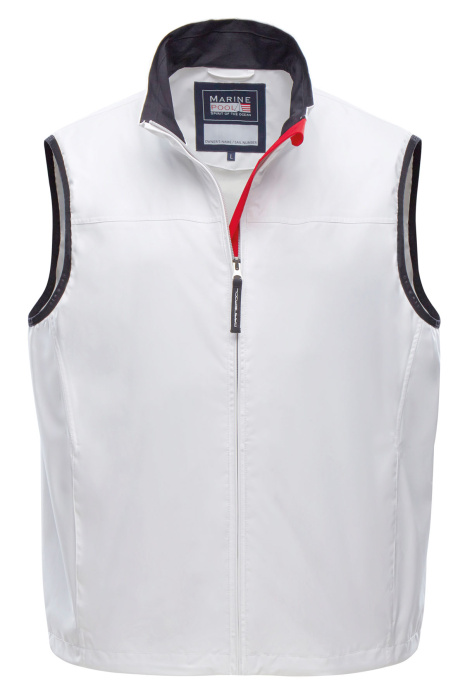
Functional vests provide targeted warmth and protection for the core while allowing the arms and shoulders to move freely. Our models for women and men are suitable for sailing, outdoor activities, travel, and the yacht club. Depending on the weather, lightweight softshell vests, waterproof functional vests, and padded options for additional insulation are available.
-
Sale
-
Sale
-
Sale
Marinepool Functional Vests
A functional vest is a sleeveless clothing layer that protects the upper body from wind, light moisture, or cold without restricting arm movement. This makes it particularly suitable for active use when a jacket would be too warm or too bulky. When sailing, the sleeveless construction allows unrestricted movement while steering, handling lines, or moving around on deck.
Our category includes different styles for women and men. Lightweight softshell vests combine freedom of movement with breathability and basic protection in changing conditions. Waterproof functional vests are designed to provide greater weather protection, while padded models provide additional insulation for the core in cooler temperatures. Which vest is suitable therefore depends on temperature, weather, activity level, and the other clothing layers.
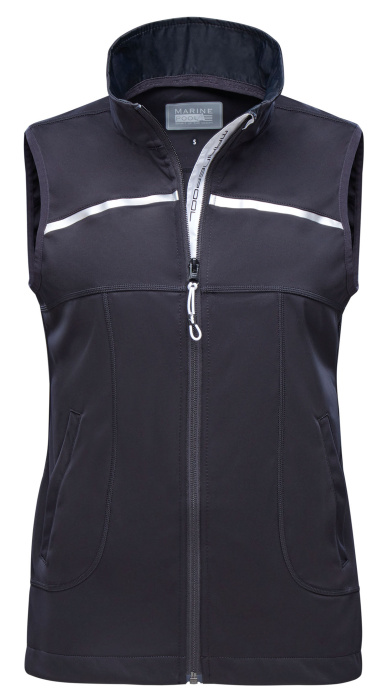
A softshell vest is particularly suitable for dry to changeable days. The stretch material supports active movement and, depending on the model, protects against wind or temporary moisture. The MP Megan Softshell Vest Women and the MP Russel Softshell Vest Men feature a water-repellent surface, a soft fleece lining, and stretch material. Reflective elements and zipped pockets complete the functional features. Both models are made predominantly from recycled polyester.
For windy days, the MP Ligur Softshell Vest Women and the corresponding men’s version offer a very lightweight 3-layer construction. The windproof, breathable models feature a water-repellent DWR finish, stretch elements, and reflective details. Thanks to their ergonomic fit, they are suitable for sailing, the yacht club, or other outdoor activities.
Those who need greater protection from rain and moisture should pay attention to the specified technical values. The Skipper Vest Women and the Skipper Vest Men are waterproof, windproof, and breathable. Both models offer a high level of weather protection while maintaining good breathability. The sleeveless construction combines weather protection with freedom of movement and is particularly suitable for inshore sailing and outdoor activities.
The Crew Vest II is made from waterproof and windproof 2-layer material with taped seams. It is designed for everyday use, deck activities, and crew use and provides balanced protection in moderate conditions with high waterproof performance and good breathability. The Vigour Vest Women, on the other hand, combines waterproof hi-stretch material with a high level of freedom of movement and a protective collar.
At low temperatures, thermal insulation becomes more important. The MP Bork Padded Vest Men features lightweight padding that warms the upper body without the weight and bulk of a fully insulated jacket. The water-repellent, breathable model made from recycled polyester is suitable as a standalone vest or as an additional layer within a layering system.
A functional vest can be flexibly combined with other Marinepool clothing. In mild weather, it can be worn over a polo, functional shirt, or lightweight hoodie. On cooler days, base layers and fleece or a Tec midlayer form the layers closest to the body. Depending on the cut, a lightweight vest can also be worn under a sailing jacket. Tec trousers, sailing trousers, and non-slip sailing shoes complete the outfit for activities on and around the water.
When choosing a vest, fit and material are particularly important alongside the intended use. The vest should fit close to the body, cover the upper body, and still provide enough room for the planned layers. The armholes should not restrict movement. Anyone planning to wear the vest under a jacket should choose a lightweight, low-bulk model. For standalone use in wind or rain, however, windproof or waterproof properties are more important.
Which Functional Vests Are Available?
Functional vests differ primarily in their level of weather protection, thermal performance, and material construction. While lightweight softshell vests are designed for freedom of movement and breathability, waterproof vests provide greater protection from rain and spray. Padded models, on the other hand, offer additional insulation in low temperatures.
| Vest Type | Suitable Conditions | Key Features | Marinepool Models |
| Softshell vest with fleece lining | Dry to changeable, cooler conditions | Water-repellent, stretchy, lightly insulating | MP Megan Softshell Vest Women, MP Russel Softshell Vest Men |
| Lightweight 3-layer softshell vest | Windy conditions and active use | Windproof, breathable, lightweight, freedom of movement | MP Ligur Softshell Weste Women and Men |
| Waterproof functional vest | Rain, wind, and spray | Waterproof, windproof, breathable | Skipper Vest Women, Skipper Vest Men |
| 2-layer crew vest | Moderate to changeable conditions | Waterproof material, taped seams, versatile use | |
| Waterproof stretch vest | Active sailing and outdoor activities | Waterproof, stretchy, protective collar | |
| Padded vest | Cool and predominantly dry conditions | Lightweight insulation, water-repellent, low bulk | MP Bork Padded Vest Men |
Was ist der Unterschied zwischen Softshell- und wasserdichten Westen?
Softshell and waterproof vests serve different purposes. A softshell vest primarily offers freedom of movement, breathability, and protection from wind or light moisture. It is suitable for active use in dry to changeable conditions.
A waterproof functional vest, on the other hand, features a membrane or coating that reduces the penetration of rain and spray. Taped seams provide additional weather protection.
-
Softshell vest: breathable, stretchy, and wind-resistant or windproof.
-
Waterproof vest: greater protection from rain and spray.
-
Padded vest: additional warmth, but not automatically waterproof.
-
Sailing jacket: more complete protection, as the arms and shoulders are also covered.
For sporting activities in dry weather, softshell is often the more comfortable choice. In rain and wet conditions, a waterproof vest offers greater protection. In prolonged precipitation, however, a fully enclosed sailing jacket should be worn.
What Do 2-Layer and 3-Layer Constructions Mean?
The specification describes how the outer material, membrane, and protective inner layer are combined. Both constructions can provide protection from wind and water, but differ in structure, weight, and intended use.
2-Layer Construction
In a 2-layer construction, the outer material and membrane are permanently bonded together. On the inside, a separate lining protects the membrane from abrasion.
-
Comfortable to wear
-
Often slightly softer and more comfortable
-
Suitable for everyday use, crew activities, and moderate sailing
-
The inner lining protects the technical membrane
A 2-layer vest is a good choice for sailors who want to combine weather protection with a comfortable and uncomplicated construction.
3-Layer Construction
In a 3-layer construction, the outer material, membrane, and a protective inner layer are combined into a compact material structure.
-
Low bulk
-
High freedom of movement
-
Direct moisture transport
-
Durable material construction
-
Particularly suitable for active use
With lightweight softshell vests, a 3-layer construction does not automatically mean complete waterproofing. The specific product information regarding the membrane, water-repellent treatment, seam construction, and waterproof performance is always decisive.
Functional Vests in the 3-Layer Principle
A vest can serve different purposes within a layering system. The key factors are the material thickness, level of weather protection, and fit.
Base Layer
A functional shirt or close-fitting long-sleeve shirt is worn directly against the skin and transports moisture away from the body. In warm weather, a functional vest can be worn directly over it.
Midlayer
A softshell or padded vest can serve as an additional insulating and protective layer. It provides targeted warmth for the upper body while maintaining freedom of movement in the arms. Under a sailing jacket, it should be lightweight and close-fitting so that the layering system does not restrict movement.
Outer Layer
Waterproof functional vests can be worn as an outer layer in light to moderate rain. However, because the arms remain unprotected, they do not replace a full sailing jacket in heavy rain or cold spray.
When combining them with a buoyancy aid or life jacket, care should be taken to ensure that the clothing layers do not impair its fit or function. The safety vest must be able to close fully and fit the body in accordance with the manufacturer’s instructions.
Über 35 Jahre Erfahrung auf dem Wasser
Marinepool has been developing functional sailing apparel according to the principle “From Sailors for Sailors” since 1991. The brand was founded by active sailors and continues to work closely with sailing clubs, national teams, competitive sailing associations, and sea rescue organisations. The practical experience gained from these collaborations flows directly into the development of our clothing – from technical sailing jackets to lightweight and versatile functional vests.
Marinepool has been and continues to be a partner of numerous international regattas, sailing events, and top teams. These include the Austrian Sailing Federation, the Sailing Bundesliga, and the Bayerischer Yacht-Club. Under real conditions, it becomes clear how important freedom of movement, weather protection, and a balanced body climate are for sailors and crews.
We apply this experience to functional vests for women and men. Stretch materials, ergonomic cuts, and different constructions make it possible to adapt clothing specifically to activity, temperature, and weather. This results in softshell vests, waterproof models, and padded vests that perform just as well on the water as during outdoor activities, while travelling, or at the yacht club.
Experience Meets Innovation
Marinepool combines maritime experience with modern functional materials. Depending on the design, our vests provide protection from wind, light moisture, rain, or cold while maintaining freedom of movement in the arms and shoulders. Softshell materials offer stretch and breathability, waterproof constructions increase weather protection, and lightweight padding provides targeted warmth for the upper body.
Functional details such as taped seams, protective collars, zipped pockets, and reflective elements support use on and around the water. Different fits for women and men ensure that the vests sit close to the body and can be combined with functional shirts, hoodies, fleece, sailing jackets, and other clothing layers.
FAQ – Frequently Asked Questions About Functional Vests
Which Vest Is Suitable for Sailing?
The right vest depends on the weather and activity. In dry to changeable conditions, a stretchy softshell vest is often the best choice. For rain and spray, a waterproof functional vest is suitable, while a padded vest provides additional warmth in cool and predominantly dry conditions.
Which Vest Is Suitable for Changeable Weather on the Water?
For changeable conditions, softshell vests or lightweight waterproof functional vests are ideal. Softshell models offer high breathability and protection from wind, while waterproof vests also provide protection from rain and spray. Which option is more suitable depends on whether freedom of movement and comfort or additional weather protection is the main priority.
What Are the Advantages of a Sleeveless Design When Sailing?
The sleeveless design provides maximum freedom of movement in the shoulder and arm area. This is particularly important when handling lines, steering, or making quick movements on deck. At the same time, the core remains protected, where cold and wind are felt most strongly.
Welche Weste eignet sich für den Yachtclub?
For the yacht club, softshell vests such as the MP Ligur Softshell Vest or lightweight padded vests are particularly popular. They offer a smart appearance, comfortable wear, and sufficient protection in windy or cooler conditions without looking too technical or bulky.
Summary
Functional vests for women and men offer a flexible combination of freedom of movement, weather protection, and warmth. Lightweight softshell vests are suitable for active use in dry to changeable conditions, while waterproof functional vests protect the core from rain, wind, and spray. Padded vests provide additional insulation on cool days without restricting the arms. Combined with a base layer, fleece, hoodie, or sailing jacket, they create an adaptable clothing system for sailing, outdoor activities, travel, and the yacht club. Marinepool has been developing functional watersports apparel since 1991 and applies practical experience from sailing to versatile vests with technical materials, well-designed fits, and functional details.
Last updated: June 2026