Inflatable life jackets
For over 35 years, Marinepool has been developing high-quality life jackets for sailors, water sports enthusiasts and professional crews. Our automatic life jackets for women, men and children provide reliable safety for coastal sailing, offshore passages and long-distance voyages on the open sea. All our buoyancy aids are also ISO-certified and therefore meet international safety standards.
-
Sale
-
Sale
-
Sale
-
Sale
-
Sale
-
Sale
-
Sale
-
-
Sale
-
Sale
-
-

-
Sale
-
Sale
-
Sale
-
Sale
-
-
Sale
-
Sale
-
Sale
-
-
-
-
Sale
-
-
-
Sale
-
-
Sale
-
-
-
Marinepool Automatic Life Jackets for Sailors and Water Sports Enthusiasts
Table of Contents
For over 35 years, Marinepool has been developing life jackets for a wide range of watersports applications. Experience gained from international regattas, offshore passages, and professional offshore races continuously contributes to the development of new safety concepts. The focus is not only on maximum safety, but also on comfort, freedom of movement, and reliability.
Choosing the right life jacket depends on several factors. In addition to body weight and the intended area of use, the clothing worn, weather conditions, and the duration of the voyage all play an important role. While 150N or 180N life jackets are often sufficient for coastal waters, models with higher buoyancy are generally recommended for offshore and ocean sailing.
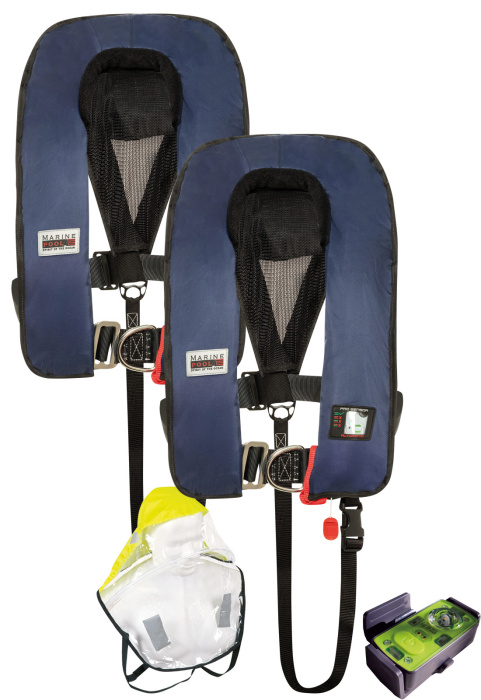
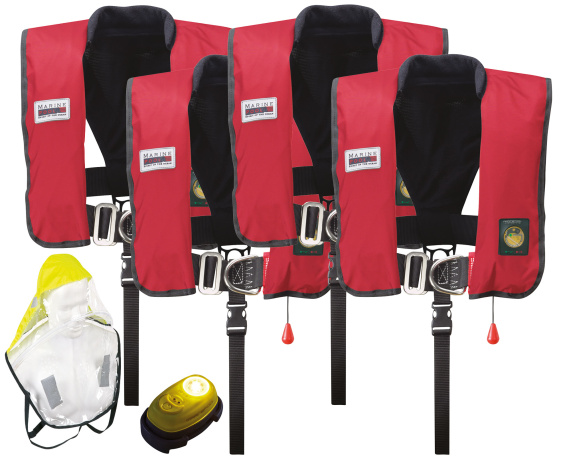
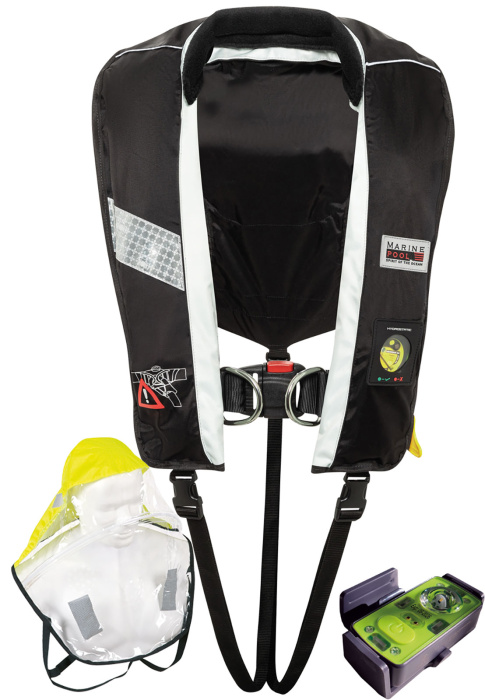
Modern life jackets also offer a wide range of additional safety features. These include lifebelt attachment points, crotch straps, lifting becket straps, spray hoods, and integrated safety lights. These features significantly enhance safety, especially during night sailing, in harsh weather, or on long-distance passages.
For maximum safety, it is recommended to combine your life jacket with additional safety equipment such as lifebelts, safety tethers, and high-quality foul weather gear. Sailing jackets and sailing trousers ensure that the life jacket fits correctly and performs reliably even in demanding conditions. Complemented by waterproof bags or emergency equipment, they create a comprehensive safety system for every type of sailing trip.
To help you choose the right Marinepool automatic life jacket or safety solution for your sailing area, we distinguish between the 150N, 180N, and 300N buoyancy classes, as well as integrated safety systems such as the 220N Integrale Jacket. The following overview highlights the key differences and recommended areas of use.
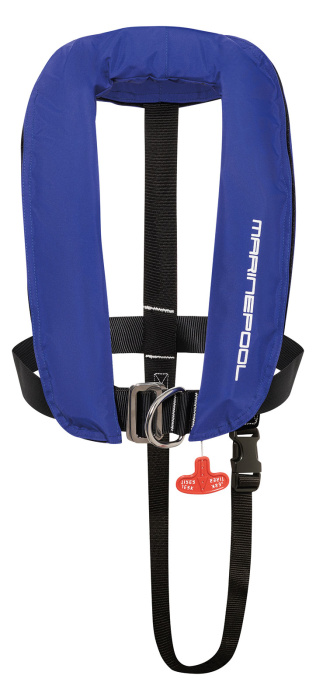
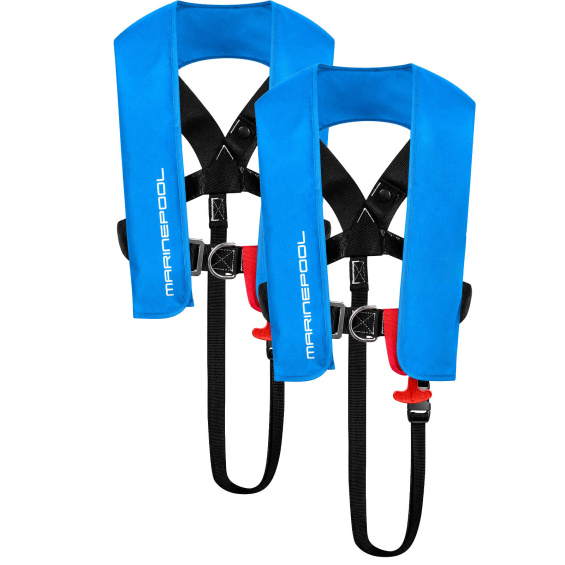
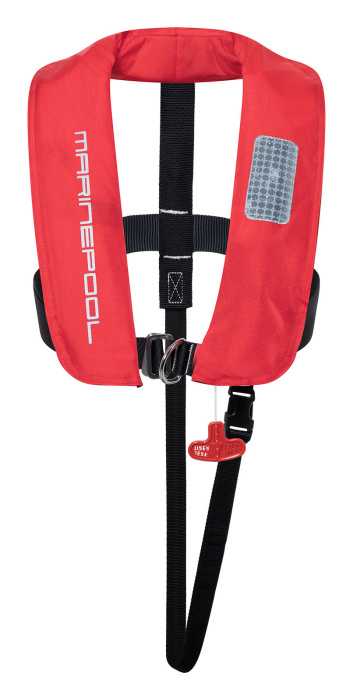
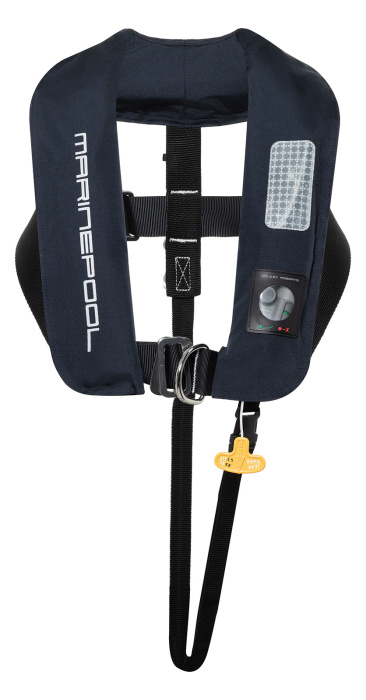
150N life jackets are among the most popular automatic life jackets for watersports. They are ideal for recreational sailors, powerboaters, and use in coastal and inland waters. Thanks to their lightweight design and outstanding comfort, they are frequently used for day trips and regular sailing excursions.
Models such as the 150N ISO Classic Manuak ISO Lifejacket WB UML provide reliable safety for sailors and water sports enthusiasts who primarily sail in sheltered waters or coastal areas.
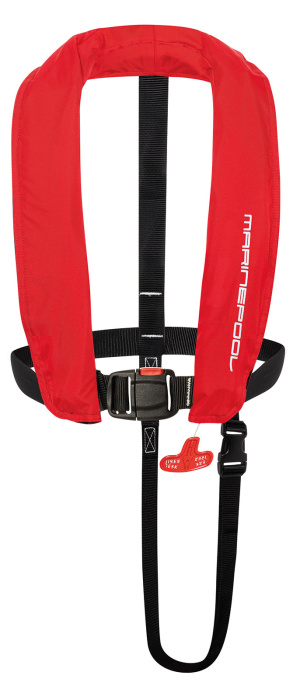
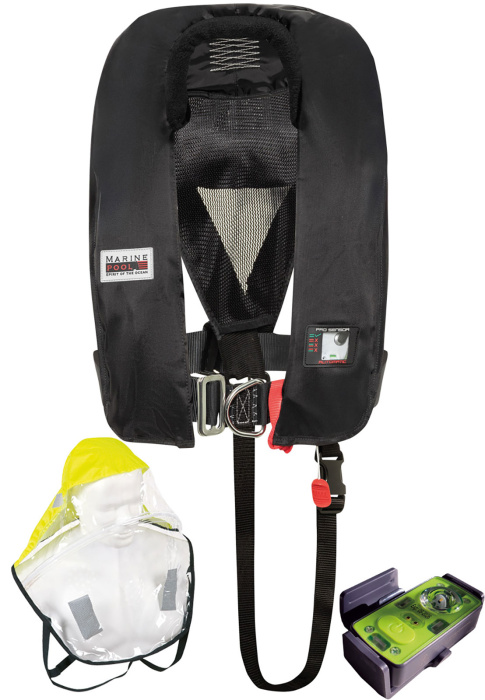
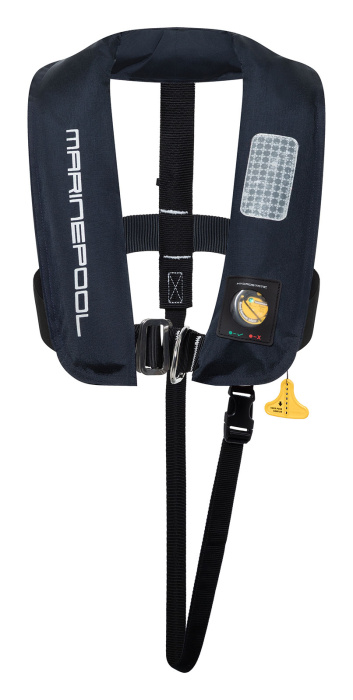
180N life jackets provide additional safety reserves compared to standard 150N models. They are particularly suitable for sailors who regularly wear foul weather gear, sail in more demanding weather conditions, or go offshore fishing.
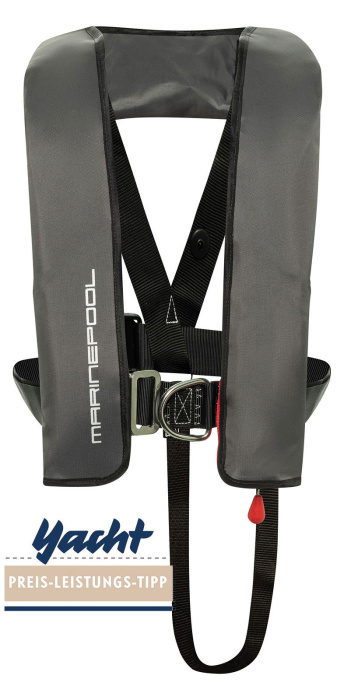
The 180N Racer ISO Life Jacket combines outstanding comfort with increased buoyancy, making it an excellent choice for ambitious cruising sailors and racing sailors. It has also been awarded the "Best Value for Money" distinction by YACHT magazine.
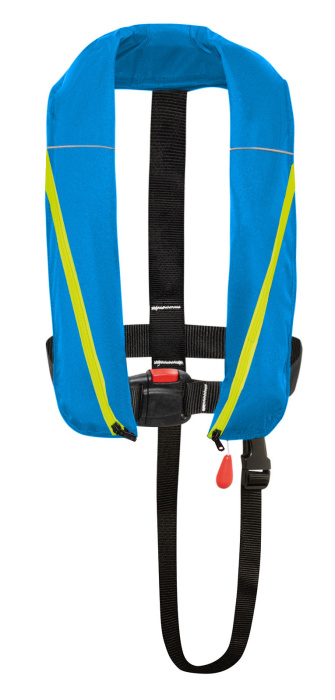
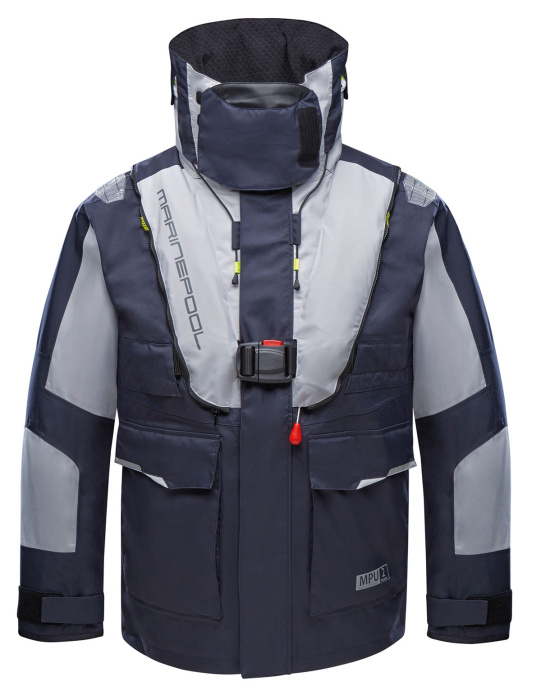
The 220N Integrale Jacket combines the functionality of a high-quality offshore sailing jacket with a permanently integrated automatic life jacket. This eliminates the need to wear a separate life jacket while maintaining maximum freedom of movement and outstanding comfort. The integrated 220N life jacket provides sufficient buoyancy for demanding offshore conditions and is particularly suitable for sailors who regularly wear heavy foul weather gear or sail in harsh weather.
By combining weather protection and safety in one system, the 220N Integrale Jacket is especially well suited for offshore sailors, long-distance cruising crews, and ambitious cruising sailors. The integrated life jacket reduces the amount of additional safety equipment required on board and ensures that the life jacket is always being worn. Especially on the North Sea, the Baltic Sea, and open coastal waters, the Integrale Jacket offers a practical solution for sailors who want to combine comfort and safety.
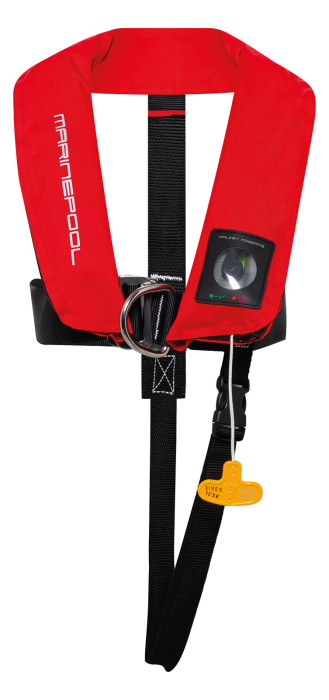
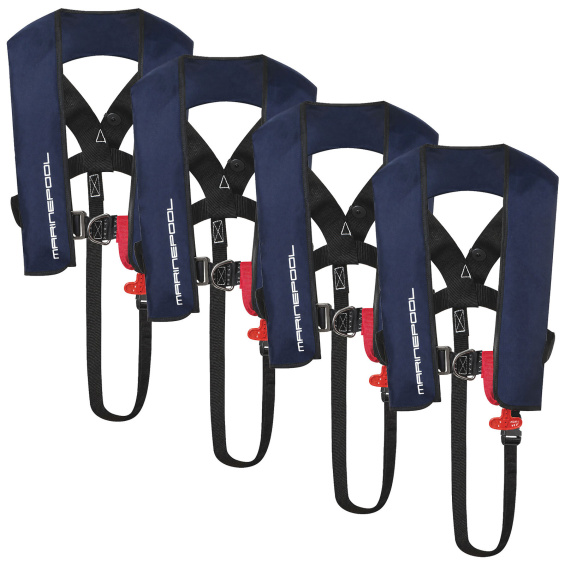
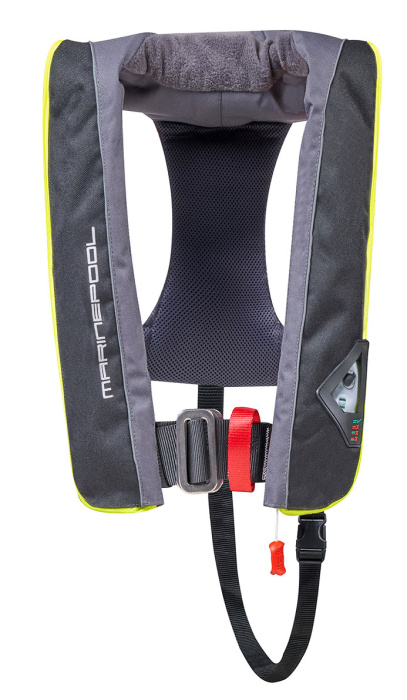
300N life jackets provide the highest level of buoyancy among standard life jackets for recreational boating and sailing. They have been specifically developed for offshore crews, long-distance cruising sailors, and ocean racing.
Models such as the ISO 300N Classic Inflatable Lifejacket are particularly suitable for extreme conditions, heavy foul weather gear, and the highest safety requirements at sea. Their high buoyancy provides additional safety reserves for long-distance passages and professional applications.
ISO-Certified Safety
All Marinepool automatic life jackets are tested and certified according to the applicable ISO standards. This certification confirms that the life jackets meet defined requirements for buoyancy, performance, material quality, and safety. You can therefore rely on your life jacket to perform dependably, even under demanding conditions.
Every Marinepool automatic life jacket is developed and thoroughly tested in accordance with the relevant ISO standards. Combined with regular servicing and proper care, it provides a high level of safety over the long term – whether you're sailing, boating, fishing, or taking part in other watersports activities.
Modellvergleich
| Buoyancy Class | Areas of Use | Clothing | Recommendation |
| 150N | Coastal Waters, Inland Waters, Day Trips |
Light Sailing Apparel | Recreational Sailors, Powerboaters, Coastal Sailors |
| 180N | Coastal Sailing, Regattas, More Demanding Conditions | Light to Medium Foul Weather Gear | Cruising Sailors, Long-Distance Cruising Crews |
| 220N Integrale Jacke | Offshore Passages, Open Coastal Waters | Integrated Life Jacket and Offshore Apparel | Offshore Sailors, Long-Distance Cruising Crews |
| 300N | Ocean Sailing, High Seas, Extreme Conditions | Heavy Foul Weather Gear and Safety Equipment | Ocean Sailors, Professional Crews |
What does the Buoyancy Class of a Life Jacket mean?
The buoyancy of a life jacket is measured in Newtons (N) and indicates the force with which the jacket keeps a person afloat. The higher the buoyancy rating, the greater the safety reserve, especially when wearing heavy clothing or sailing in challenging conditions at sea.
The appropriate buoyancy class depends not only on body weight but also on the clothing worn, the sailing area, and the weather conditions. The more clothing and equipment you wear, the higher the required buoyancy should be.
What is the difference between a Life Jacket and a Buoyancy Aid?
The terms life jacket and buoyancy aid are often used interchangeably, but they refer to different types of personal flotation devices.
Life Jacket
A life jacket is specifically designed for emergency situations. It provides sufficient buoyancy to help turn a person into a stable face-up position and keep the airways above the water. This is particularly important if a person becomes unconscious or is impaired by cold or exhaustion.
Automatic life jackets inflate automatically upon contact with water, providing a high level of safety at sea.
Buoyanca Aid
A buoyancy aid provides additional flotation in the water but is not designed to automatically turn an unconscious person into a face-up position. It is primarily intended for active watersports such as stand-up paddleboarding, canoeing, kayaking, fishing, or dinghy sailing, where freedom of movement is a priority.
For offshore passages, coastal sailing, or demanding weather conditions, a life jacket is generally recommended.
Activation Mechanisms
Automatic and semi-automatic life jackets differ primarily in the way they are activated.
Automatic Life Jackets
Automatic life jackets activate automatically as soon as the activation mechanism comes into contact with water. The integrated CO₂ cylinder inflates the buoyancy chamber within seconds.
Benefits:
-
Automatic activation in an emergency
-
Maximum safety, even if the wearer is unconscious
-
Particularly suitable for offshore and ocean sailing
-
The highest safety standard for sailors
Automatic life jackets are the preferred choice for cruising sailors, offshore crews, and water sports enthusiasts who regularly sail on open waters.
Semi-Automatic Life Jackets (manuell)
Semi-automatic life jackets also feature a CO₂ cylinder but are activated manually by pulling the activation cord.
Benefits:
-
No unintended activation from spray or splashing water
-
Often a more affordable option
-
Suitable for sheltered waters and recreational use
Because they must be activated manually, semi-automatic life jackets are particularly suitable for experienced water sports enthusiasts and use in controlled environments.
Life Jackets for Fishing – Safety on the Water
Not only sailors benefit from a reliable automatic life jacket – it is also an essential piece of safety equipment for anglers. A life jacket for fishing provides reliable buoyancy without restricting freedom of movement when casting, fighting fish, or handling fishing rods. Whether boat fishing, offshore fishing, or fishing on large lakes and rivers, an automatic life jacket significantly improves safety in the event of an accidental fall into the water.
The 150N 3D ISO CLASSIC LB HR ALPHA is an especially comfortable automatic life jacket for anglers. Thanks to its ultra-lightweight and compact design, it remains comfortable to wear even during long hours of fishing and is barely noticeable. At the same time, it provides the reliable buoyancy of a 150N automatic life jacket, combining outstanding comfort with maximum safety. If you are looking for a lightweight life jacket for fishing, this model is an excellent choice.
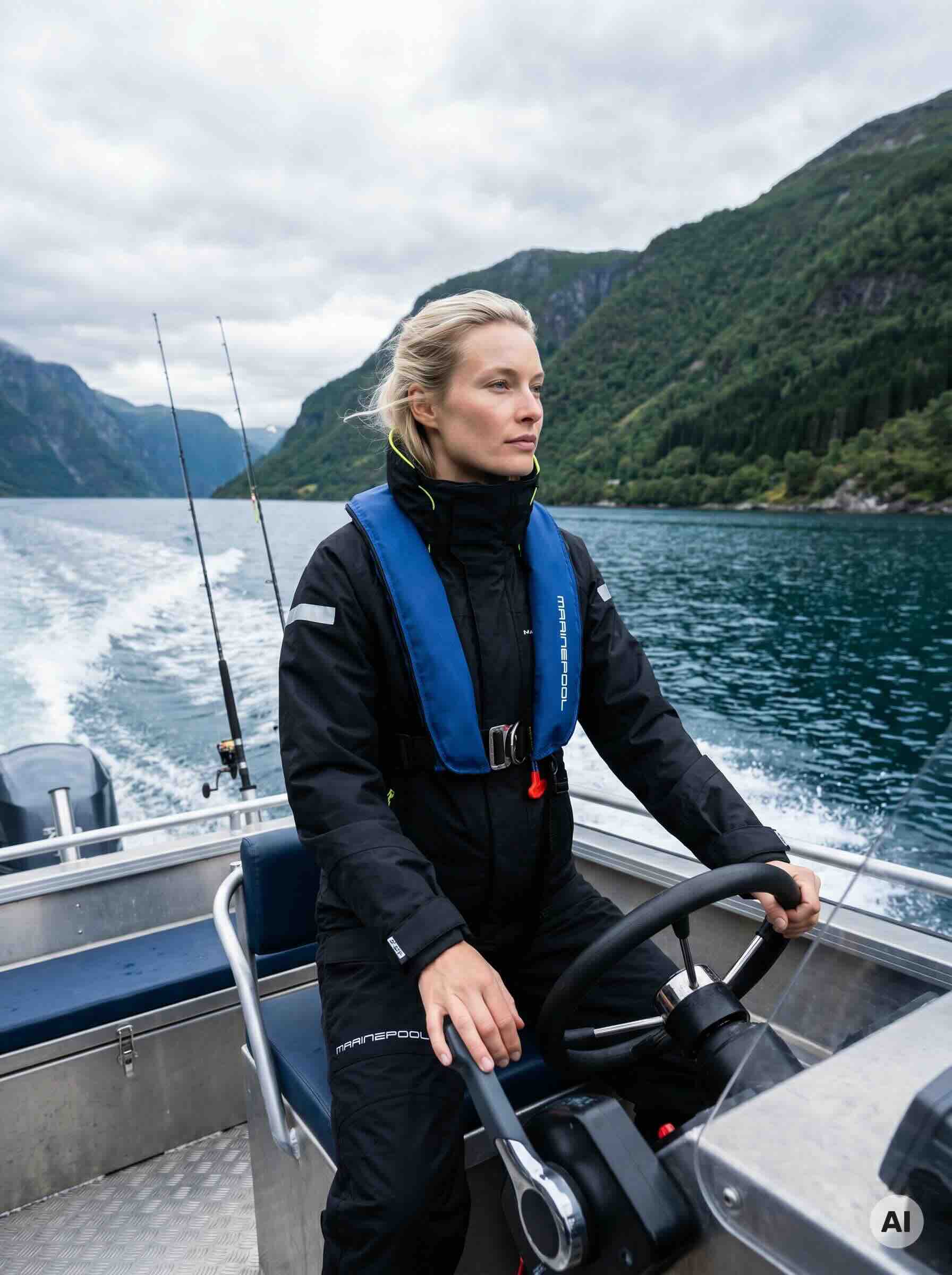
For anglers who regularly fish on larger bodies of water or require additional buoyancy, the 180N Racer ISO Lifejacket WB UML and 180N Racer ISO Lifejacket WB HR Alpha are also highly recommended. With 180 Newtons of buoyancy, they provide increased safety reserves while remaining lightweight and comfortable to wear. This makes them particularly suitable for offshore fishing, fishing in demanding weather conditions, or extended trips on open waters.
Whether you enjoy spin fishing, trolling, offshore fishing, or relaxed fishing trips on the lake, a high-quality life jacket for fishing ensures you stay well protected on the water at all times. Combined with our weatherproof apparel and non-slip footwear, you will be fully equipped even in changing conditions.
More than 35 Years of Experience on the Water
Since 1991, Marinepool has stood for high-quality sailing apparel and watersports equipment—developed by sailors, for sailors. More than 35 years of experience on the water, international regattas, and close collaboration with professional athletes have shaped the development of our products. This expertise is built into every sailing jacket, sailing trouser, and life jacket.
For many years, Marinepool has worked closely with international sailing teams, professional sailors, and sailing organizations. These include a long-standing partnership with the Austrian Sailing Federation. At the same time, experience gained from international regattas, offshore passages, and professional offshore races flows directly into product development. Sailors test the equipment under real conditions on the water, providing valuable feedback for the continuous improvement of materials, fit, and functionality.
In offshore sailing in particular, Marinepool benefits from its collaboration with renowned offshore sailors such as Vendée Globe skipper Fabrice Amedeo. During his solo passages across the world's largest oceans, he relies on Marinepool offshore apparel, including the Gotland Ocean Jacket. The experience gained from one of the world's toughest solo sailing races provides valuable insights for developing sailing jackets and foul weather gear that deliver reliable protection even in extreme weather conditions.
This expertise also plays a key role in the development of modern life jackets. The requirements of professional sailors, offshore crews, and long-distance cruising sailors help continuously improve Marinepool's safety products and adapt them to the challenges of life at sea.
Experience Meets Innovation
Marinepool combines maritime heritage with modern technology. Premium materials, innovative membranes, and functional features provide reliable protection and outstanding comfort in all weather conditions. Whether for coastal sailing, offshore adventures, or leisure on the water, Marinepool has stood for quality, performance, and a passion for watersports for over three decades. As one of the world's leading manufacturers of life jackets, Marinepool also develops innovative safety solutions trusted by sailors and water sports enthusiasts around the globe. Close collaboration with professional sailors, international sailing teams, and watersports organizations ensures that every collection is tested under real-world conditions and continuously refined.
FAQ - Frequently Asked Questions About Life Jackets
Can an Automatic Life Jacket Inflate Accidentally?
Unintentional inflation is rare. Modern automatic life jackets are only activated when the integrated activation mechanism comes into contact with water. Under normal circumstances, spray or rain is not sufficient to trigger the life jacket.
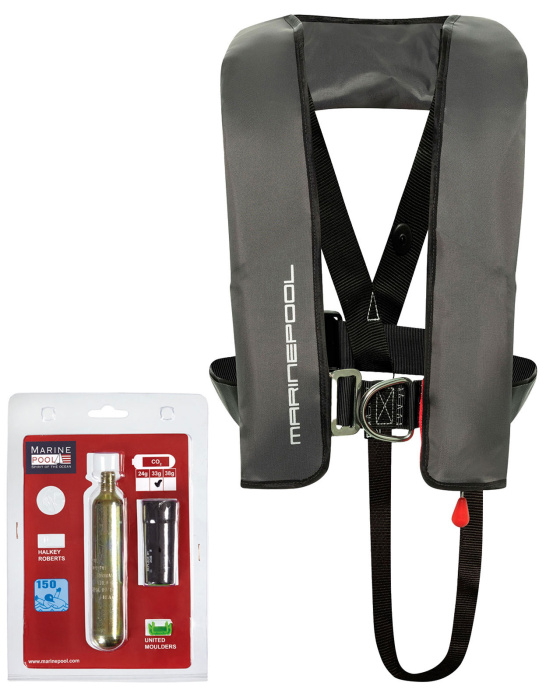
After activation, the life jacket must be serviced. This includes replacing the CO₂ cylinder and the activation mechanism with the appropriate rearming kit. Marinepool offers a professional servicing service for this purpose. If you are unsure which rearming kit is suitable for your life jacket, please contact us at info@marinestore.de.
Can an Automatic Life Jacket Be Transported on an Airplane or in a Car?
Yes. Automatic life jackets can generally be transported. However, because they contain a CO₂ cylinder, special regulations apply when travelling by air, depending on the airline. Be sure to check your airline's current requirements before your journey.
Is an Automatic Life Jacket Suitable for Non-Swimmers?
Ja. Eine passend ausgewählte Automatik-Rettungsweste bietet auch Nichtschwimmern deutlich mehr Sicherheit als eine Schwimmweste. Sie soll den Träger im Wasser in eine möglichst sichere Rückenlage bringen und die Atemwege über Wasser halten. Dennoch ersetzt sie keine Aufsicht oder weitere Sicherheitsmaßnahmen.
Which Clothing Affects the Choice of Buoyancy Class?
The appropriate buoyancy class of an automatic life jacket depends, among other factors, on the clothing you wear on the water. The heavier and bulkier your clothing, the more buoyancy is required to safely turn your body into a stable face-up position and keep your airways above the water.
If you mainly sail on inland waters or in summer conditions while wearing lightweight sailing apparel, a 150N automatic life jacket is often sufficient. However, if you wear multiple layers of clothing, heavy foul weather gear, or regularly sail offshore or in demanding weather conditions, a 180N or 300N life jacket is recommended. These provide additional buoyancy to ensure a high level of safety even when wearing heavy protective clothing. When choosing the right buoyancy class, always consider both your typical sailing environment and the clothing you usually wear on board.
Is Wearing a Life Jacket Mandatory When Sailing?
Legal requirements vary depending on the country and sailing area. Regardless of legal regulations, wearing a life jacket is strongly recommended for all sailing trips and is considered an essential part of your safety equipment, especially during offshore passages and night sailing.
Summary
Marinepool automatic life jackets provide reliable safety for recreational sailors, cruising sailors, and professional offshore crews. With buoyancy classes ranging from 150N to 300N, they can be optimally matched to your sailing area, weather conditions, and clothing. Automatic activation systems ensure that the life jacket inflates automatically in an emergency, providing the necessary buoyancy when it matters most. Combined with advanced safety features, outstanding comfort, and decades of experience in developing watersports equipment, Marinepool life jackets are designed for a wide range of applications—from coastal waters and offshore passages to demanding ocean crossings. Together with lifebelts, foul weather gear, and additional safety equipment, they form an essential part of any responsible onboard safety system.
Last updated: July 2026