Sailing Jackets & Tops
Discover high-quality, functional sailing gear such as sailing jackets and tops for women, men, and children—designed for offshore, coastal, and inshore sailing, as well as dinghy and skiff sailing. For over 35 years, we’ve been developing our Marinepool sailing apparel in collaboration with professional sailors, ensuring optimal product quality for all conditions.
Marinepool Sailing Jackets for Women & Men
Choosing the right sailing jacket depends primarily on how you plan to use it. Whether it’s relaxed inshore sailing on inland waters, challenging coastal cruises, or multi-day offshore trips on the high seas—modern sailing apparel must be optimized for the specific conditions.
For over 35 years, Marinepool has been developing high-quality sailing jackets, smocks, and oilskins in close collaboration with professional sailors and water sports experts. Experience gained from international regattas, deep-sea cruises, and professional sailing is continuously incorporated into product development. This results in functional sailing apparel and well-thought-out details that are specifically tailored to the demands of various sailing areas and weather conditions.
The term “oilskins” refers to the waterproof protective clothing worn by sailors and includes oilskin jackets, oilskin pants, and complete sailing clothing sets. Modern foulie sets provide reliable protection against rain, wind, spray, and cold, while breathable materials ensure a comfortable body climate. Depending on the intended use, oilskins and sailing apparel differ in waterproofing, durability, weight, and features.
While classic sailing jackets offer versatile weather protection for coastal, inland, and offshore sailing, smocks are particularly popular among regatta, dinghy, and skiff sailors. Thanks to their design without a full-length front zipper, spray tops offer maximum freedom of movement and reduce potential entry points for water. When paired with matching sailing pants, they create a high-performance waterproof system that provides reliable protection even in challenging conditions on the water. Complemented by functional sailing shoes that offer a secure grip on wet decks, sailors are optimally equipped for virtually any weather condition and any sailing area.
To help you find the right Marinepool sailing jacket or oilskins for your sailing area, we distinguish between inshore, coastal, and offshore sailing apparel. The following overview highlights the key differences between these categories and helps you select the ideal sailing jacket for your needs.
Offshore sailing jackets are designed for long ocean voyages, heavy weather, and persistently wet conditions far from the coast. Waterproof materials, high levels of weather protection, and durable construction are particularly important. Reinforced areas, high collars, and waterproof zippers ensure that sailors remain protected even in strong winds and heavy spray. Offshore sailing apparel is particularly well-suited for challenging sailing areas such as the North Sea, the English Channel, Bay of Biscay, and open coastal waters, as well as multi-day ocean crossings where changing weather conditions and rough seas are the norm.
Our offshore sailing apparel is developed in close collaboration with ocean sailors, offshore crews, and professional athletes from the international sailing community, such as Vendée Globe competitors. The Gotland Ocean Jacket is best suited for cruising sailors, while the Fortuna 2.0 provides reliable protection against rain and wind during demanding offshore voyages.
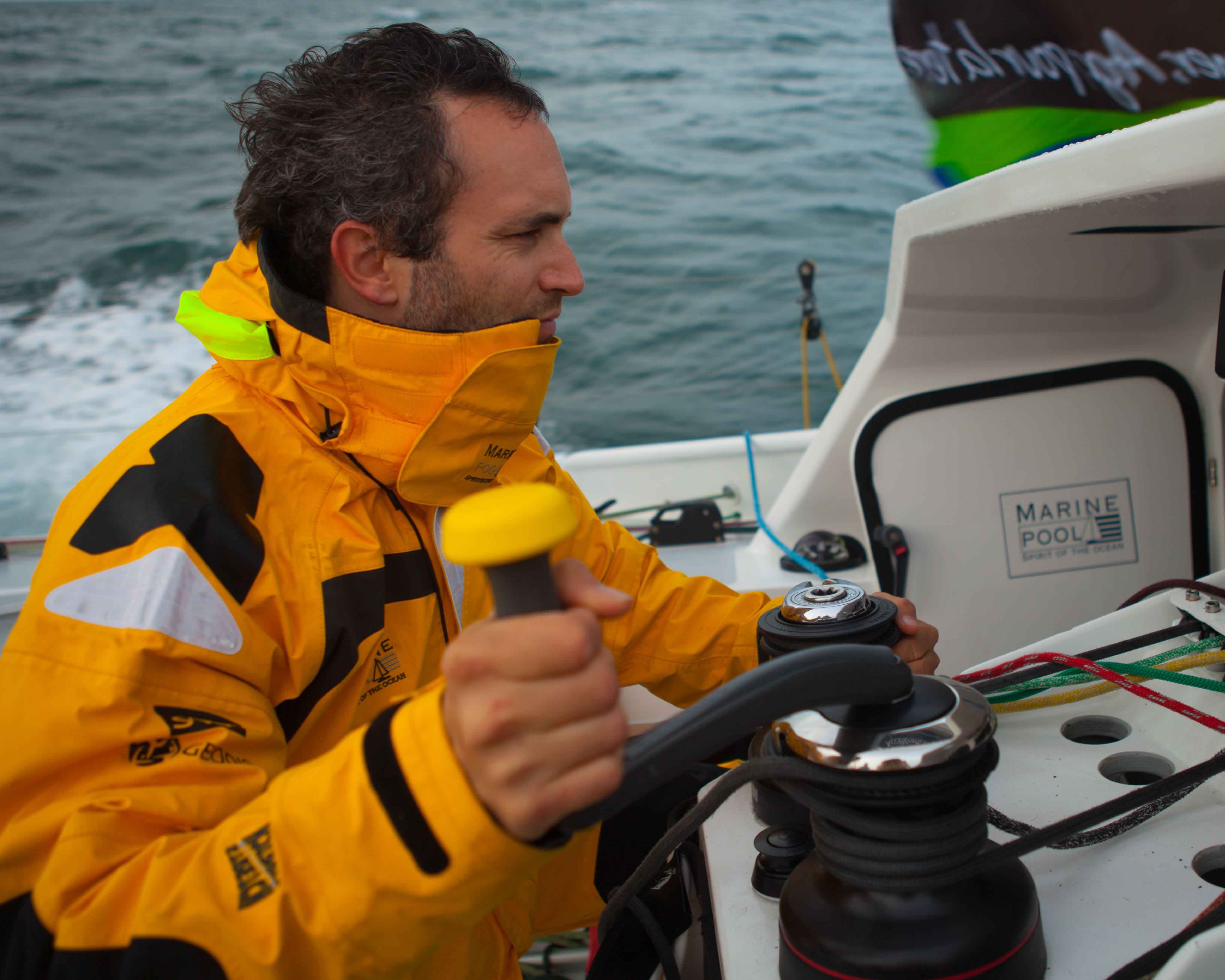
Coastal and inshore sailing jackets are ideal for coastal sailing, day trips, and sport sailing in changing weather conditions. They are the perfect choice for sailors who primarily sail on the Adriatic Sea, the IJsselmeer, the Mediterranean, or in sheltered coastal waters. The focus is on lightweight design, high freedom of movement, and breathable materials.
Marinepool sailing jackets, such as the Langholm Coastal Jacket and the Melbourne VC2L Jacket for men and women, combine functional weather protection with high comfort, both on board and ashore, and are therefore particularly well-suited for cruising sailors in coastal waters. For beginners sailing in these waters, we recommend the MP Riviera 2L Jacket as a classic all-rounder.
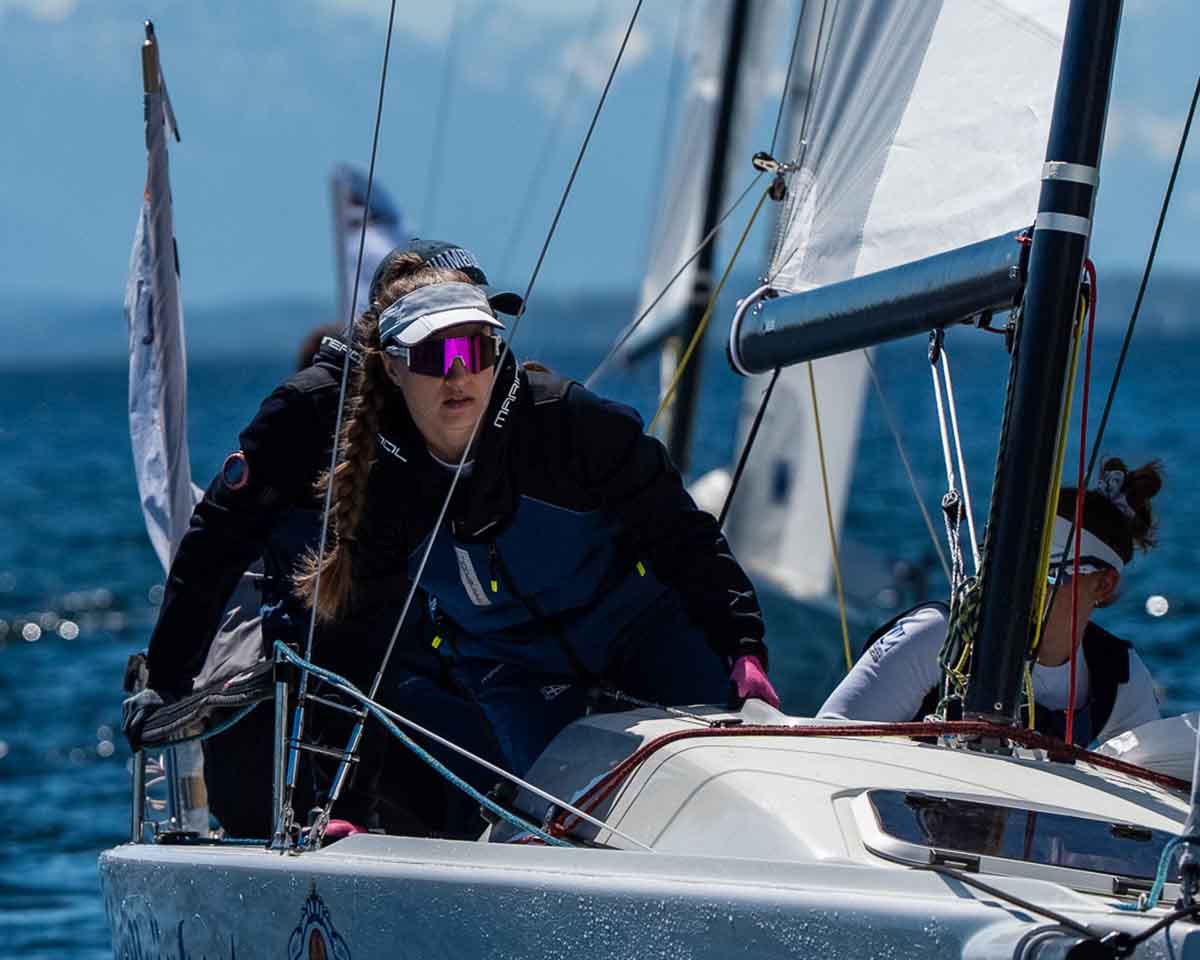
When it comes to dinghy and skiff sailing, lightweight materials and maximum flexibility are crucial. Spray tops are preferable to classic sailing jackets here, as they are cut to allow for maximum freedom of movement and are designed for active maneuvers. They are particularly well-suited for inland waters, regatta courses, and foiling areas.
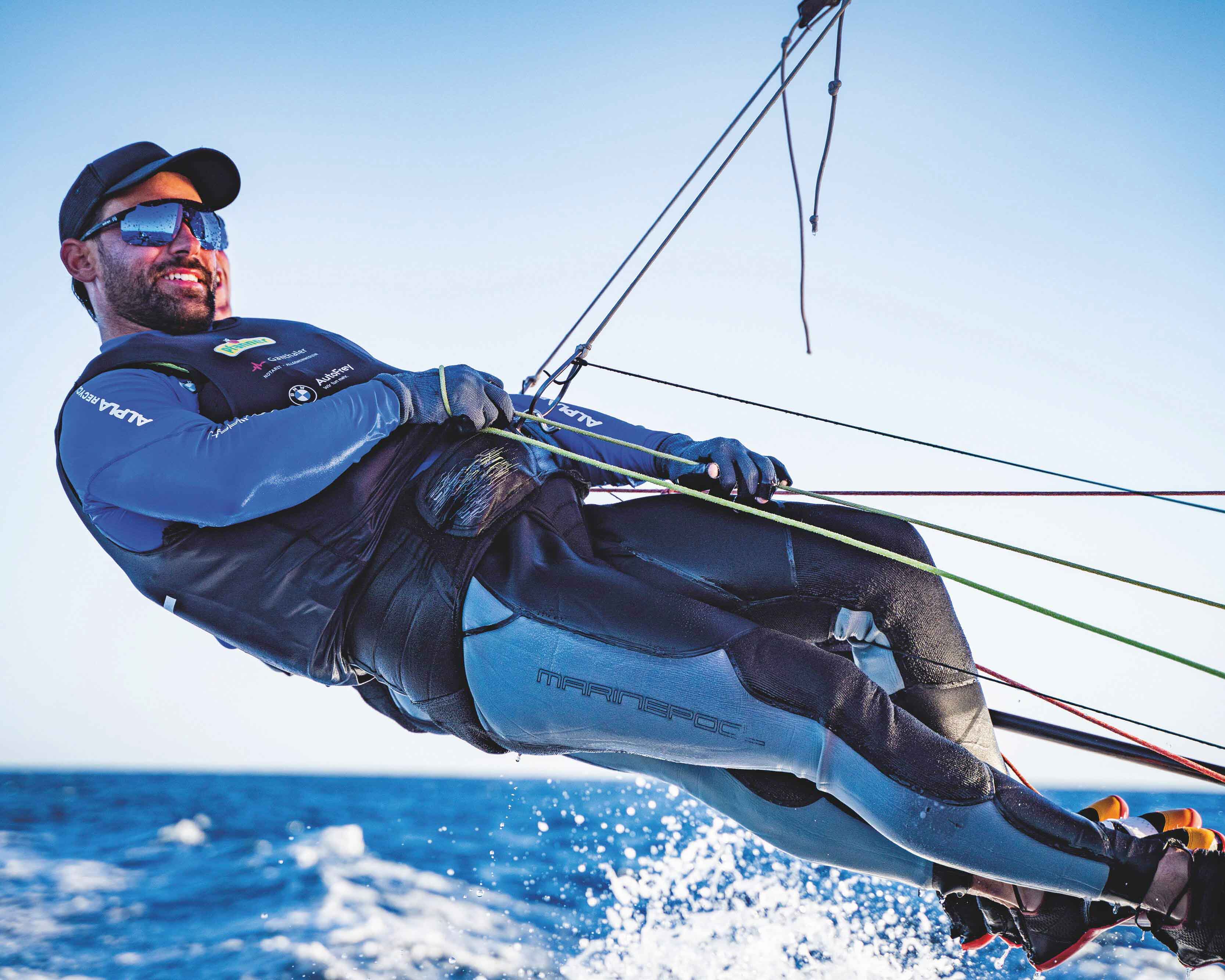
When sailing a dinghy, we generally recommend wearing neoprene clothing as a base layer, as it provides optimal protection against the cold, wind, and spray. In colder temperatures or more challenging conditions, this should be supplemented with a spray top. The MP Dinghy Top is particularly well-suited for beginners, while ambitious regatta sailors will benefit from the Dimension 3 Racing Neo Top. Thanks to its neoprene collar and adjustable sleeve cuffs, it offers additional protection while also supporting maximum freedom of movement during active maneuvers.
Modellvergleich
| Einsatzbereich | Bedingungen | Wassersäule | Marinepool-Modelle |
|
Protected waters, for athletes |
Racing 3 Top, Dimension 3 Racing Smock, Dimension 3 Racing Neo Top, MP Dinghy |
||
|
Coastal sailing, day trips |
MP Riviera 2L Jacket, Sonja Coastal Jacket Women, Langholm Coastal Jacket Men, Moresby Coastal Jacket Men, Cardiff Jacket Men, Melbourne VC2L Jacket Women/ Men, Borneo Jacket Women, Med Jacket Women | ||
|
Open ocean, multi-day cruises |
Hobart 5 Jacke Women/ Men, Fortuna 2.0 Offshore Jacket, Gotland Ocean Jacket Men, Sunderland FL3 Jacket, Sunderland FL3 Top, Speed 3 Jacke, 220N Integrale Jacke | ||
|
Extreme Conditions |
30.000 mm |
Ocean Racing Elementar Smock 2.0 |
What should one consider when buying sailing jackets and tops?
Material
The material of a oilskin jacket or top has a significant impact on weather protection, breathability, freedom of movement, and durability. Marinepool sailing apparel is made from technical laminates with waterproof and breathable membranes that provide reliable protection against rain, wind, and spray. Different material constructions are used depending on the intended application.
2-layer sailing jackets consist of a durable outer fabric that is permanently bonded to a waterproof membrane. On the inside, a separate lining protects the membrane and ensures a comfortable fit. This construction offers high comfort and is particularly suitable for inshore and coastal sailors who primarily sail on inland waters or the Mediterranean.
3-layer sailing jackets combine the outer fabric, membrane, and inner layer into a high-performance laminate. This results in a particularly lightweight, durable, and breathable material that absorbs hardly any water and dries quickly. This construction is primarily used in offshore sailing jackets and professional sailing apparel, which provide reliable protection even during long ocean voyages and in extreme weather conditions.
In addition to the material, functional details also have an important role to fulfill. High-quality sailing jackets feature reinforced panels in areas subject to particular wear and tear, ergonomic cuts, and water-repellent surfaces. The choice of material should always be tailored to the planned sailing area and the expected weather conditions.
Technologies
At Marinepool, we combine innovative material technologies with well-thought-out features in our modern sailing jackets and tops to ensure maximum protection on the water. Waterproof and breathable membranes reliably keep rain and spray out, while actively wicking body moisture away. Heat-sealed seams prevent water from penetrating at critical points and enhance the garment’s long-term waterproofing.
Depending on the intended use, sailing jackets also feature high storm collars, adjustable hoods, waterproof zippers, and double cuffs that minimize water ingress in rough conditions. Reflective elements improve visibility in low-light conditions and enhance safety on board.
Smocks and dinghy tops often feature water-repellent neoprene or latex cuffs at the neck, wrists, and waist. These reduce the ingress of spray while offering maximum freedom of movement during athletic maneuvers. The key to a sailing jacket’s performance is always the combination of waterproofing, breathability, durability, and features tailored to the specific application.
Water Resistance
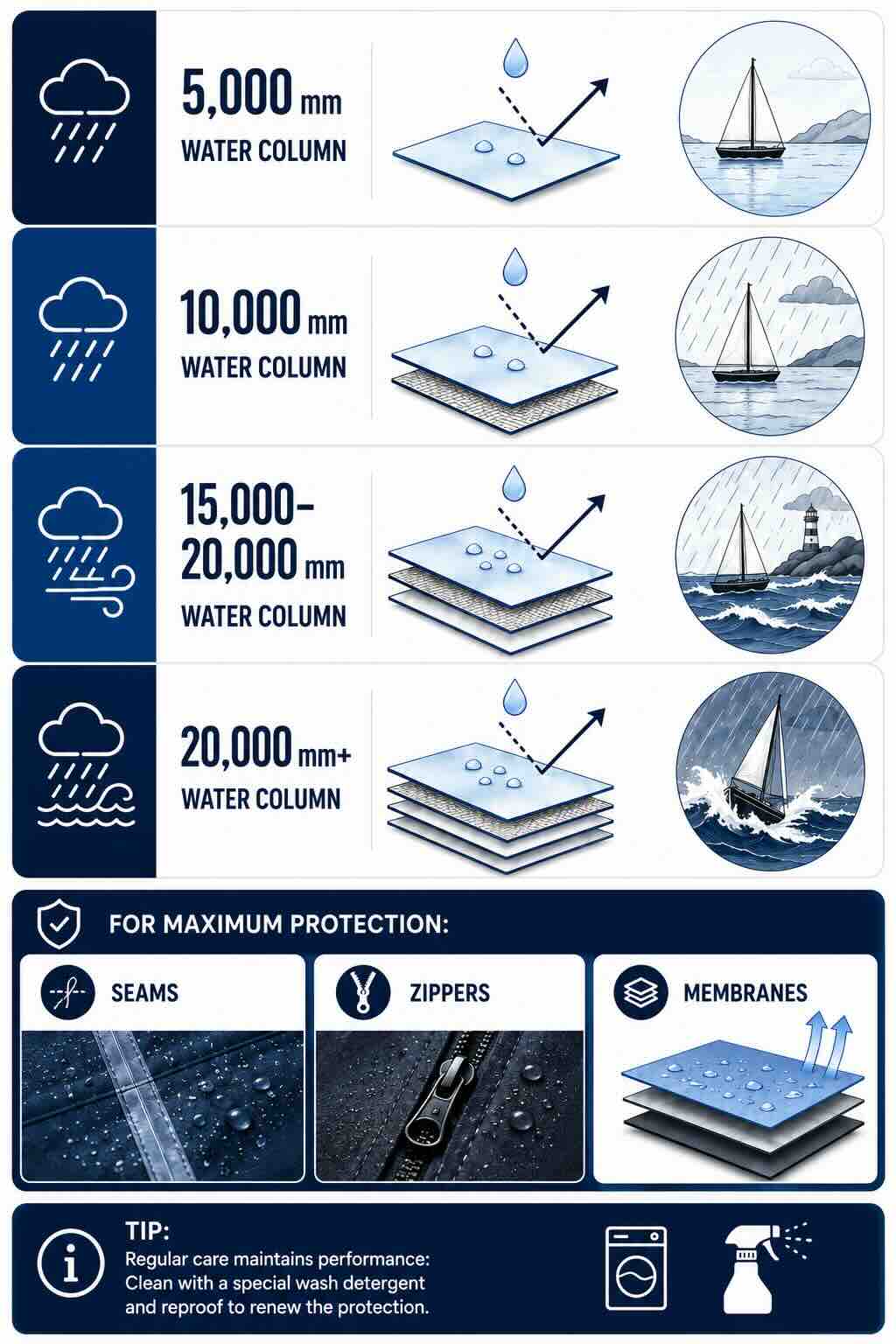
The water column indicates how waterproof a material is. It is measured in millimeters (mm) and describes the amount of water pressure a fabric can withstand before moisture penetrates it.
• 5.000 mm water column: Protection from light rain and occasional showers
• 10.000 mm water column: Suitable for longer periods of rain and demanding outdoor activities
• 15.000–20.000 mm water column: High-performance weather protection for coastal sailing and challenging conditions
• 20.000 mm+ water column: Offshore conditions with heavy rain, spray, and rough seas
When it comes to sailing apparel, in addition to a high water column, the quality of the seams, zippers, and membranes is also crucial for staying dry over the long term.
Breathability
Breathability describes how well water vapor and body moisture are transported through the material to the outside. It is usually measured in grams per square meter within 24 hours (g/m²/24h).
• 5,000 g/m²/24h: Solid breathability for recreational activities
• 10,000 g/m²/24h: Good breathability for active sailors
• 15,000–20,000 g/m²/24h: Very good moisture transport during high physical exertion
• 20,000 g/m²/24h+: Premium range for demanding offshore and regatta conditions
The higher the breathability, the better excess heat and moisture can escape. This keeps you comfortably dry even during active maneuvers, fluctuating temperatures, and long cruises.
Why are water column and breathability important?
A high-quality sailing jacket combines excellent waterproofing with good breathability. While the water column protects against rain, wind, and spray, the breathability ensures that moisture is transported from the inside to the outside. Only the combination of these two properties guarantees long-lasting comfort on the water.
Fit
A sailing jacket should offer enough room for base layers and mid layers without restricting freedom of movement. Offshore jackets are usually cut slightly looser, while coastal jackets, smocks, and spray tops have a more athletic fit. Ergonomic cuts, pre-shaped sleeves, and adjustable cuffs ensure a high level of comfort during active maneuvers.
Features & Functions
Key features include high storm collars, adjustable hoods, waterproof zippers, and practical pockets. Adjustable cuffs and reflective details enhance protection and safety on board. The more challenging the sailing conditions, the more important it is to have durable materials and comprehensive weather protection features.
The 3-Layer Principle for Sailors
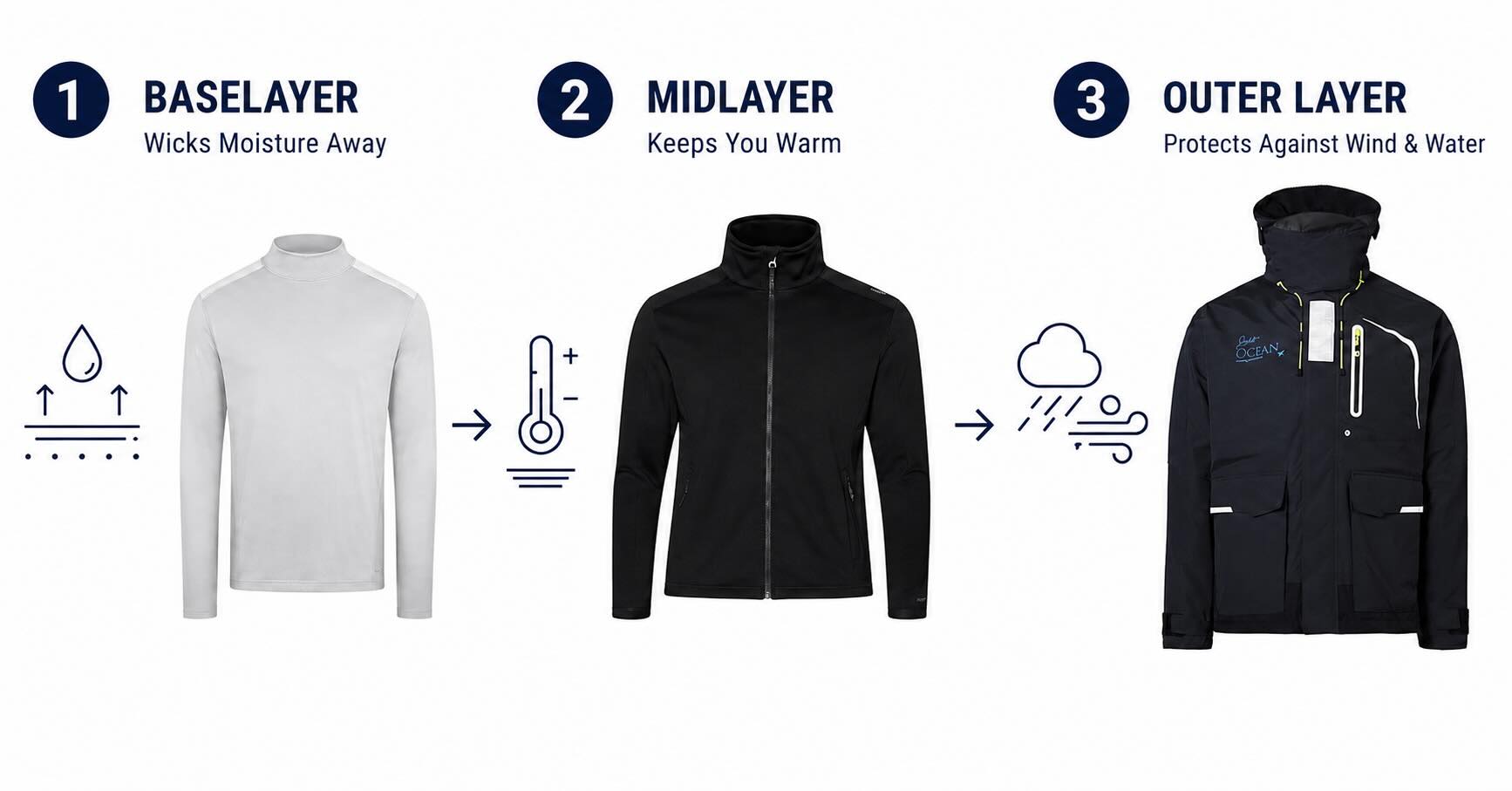
At Marinepool, we recommend the proven 3-layer principle so that you’re optimally equipped for virtually any weather conditions on the water. The first layer (base layer) transports moisture away from the body, while the second layer (mid layer) provides the necessary thermal insulation. The outer layer, consisting of a sailing jacket and sailing pants, provides reliable protection against wind, rain, and spray.
Many Marinepool sailing jackets, such as the Hobart 5 sailing jacket, feature a practical zip-in function. This allows a compatible midlayer to be zipped directly into the jacket, combining both layers into a perfectly coordinated system. This ensures additional comfort, optimal freedom of movement, and maximum flexibility in changing conditions at sea. Whether for inshore, coastal, or offshore sailing—the layering system allows sailing apparel to be individually adapted to temperature and weather conditions.
More than 35 years of experience on the water
Marinepool has been developing functional sailing apparel since 1991 based on the principle “By sailors, for sailors.” The brand was founded by active sailors and continues to work closely with sailing clubs, national teams, competitive sailing associations, and maritime rescue organizations. The practical experience gained from these collaborations is directly incorporated into product development.
Marinepool has been and continues to be a partner of numerous international regattas, sailing events, and top teams. These include, among others, the Austrian Sailing Federation, the German Sailing League, and the Bavarian Yacht Club. The products are tested under real-world conditions and continuously refined.
In the field of offshore sailing in particular, Marinepool benefits from its collaboration with renowned ocean sailors such as Vendée Globe skipper Fabrice Amedeo. For his solo voyages lasting several months across the world’s largest oceans, he relies on Marinepool offshore apparel. The experience gained from one of the world’s toughest single-handed regattas provides valuable insights for the development of sailing jackets and oilskins that offer reliable protection even under extreme weather conditions.
Experience Meets Innovation
Marinepool combines maritime tradition with modern technology. High-quality materials, innovative membranes, and functional details ensure reliable protection and exceptional comfort in any weather. Whether it’s coastal sailing, offshore adventures, or leisure time on the water—Marinepool has stood for quality, performance, and a passion for water sports for over three decades. Close collaboration with professional sailors, international sailing teams, and water sports associations ensures that every collection is tested under real-world conditions and continuously refined.
Responsibility on the Water
As a company with deep roots in water sports, protecting the waters on which we sail is an integral part of our product development. That’s why Marinepool relies on PFC-free water-repellent treatments for many of its products and is increasingly phasing out materials containing PVC.
For sailors, this means high-quality clothing and gear that meets the demands of life on the water while also supporting a more responsible use of marine resources. In this way, Marinepool combines technical performance, quality, and a commitment to the waters that define our sport.
FAQ – Frequently Asked Questions About Sailing Jackets
Which sailing jacket is best for beginners?
For beginners, inshore or coastal sailing jackets are usually the best choice. They offer reliable protection from wind and weather, are comfortable to wear, and are suitable for most recreational and coastal cruises. Beginners, in particular, should also pay attention to safety-related features. Reflective elements increase visibility in low-light conditions, while eye-catching signal colors on the hood or shoulders help you be spotted more quickly on the water. In this way, modern sailing jackets not only contribute to comfort but also to greater safety on board.
How should a oilskin coat fit?
A sailing jacket should offer enough freedom of movement, but at the same time not be too loose. It’s important that you can easily wear base layers and mid layers under the jacket without restricting your mobility.
Which sailing jacket is best for cold weather?
When temperatures are low, we recommend wearing a combination of a sailing jacket, a midlayer, and a baselayer, following the 3-layer principle. This wicks moisture away from the body, provides the necessary thermal insulation, and offers reliable protection against wind, rain, and spray. A particularly practical feature of Marinepool is the Inzip function, which allows a compatible midlayer to be zipped directly into the sailing jacket.
Are sailing jackets suitable for everyday wear?
How do I properly care for my sailing jacket?
Sailing jackets should be washed according to the care instructions. Regular cleaning removes salt and dirt and helps preserve the waterproof and breathable properties of the materials over the long term.
How long does a sailing clothing last?
With proper care, a Marinepool sailing clothing can last for many years. The key factors are the quality of the materials, the craftsmanship, and regular cleaning and waterproofing.
What should I wear under a sailing jacket?
For optimal comfort, we recommend the 3-layer principle: a moisture-wicking base layer, an insulating mid layer, and a sailing jacket as the outer layer. This allows you to adapt your clothing flexibly to the weather and temperature. In addition, in wet conditions, you should wear sailing pants or salopettes, as well as non-slip boots.
What is the difference between a sailing jacket and a rain jacket?
A sailing jacket is designed specifically to meet the demands of being on the water. Compared to conventional rain jackets, it features a higher collar, adjustable cuffs, waterproof pockets, reflective details, and particularly durable materials. As a result, it provides reliable protection against wind, rain, and spray while offering optimal freedom of movement while sailing.
Summary
Marinepool sailing jackets, smocks, and oilskins offer the right solution for every application—from recreational dinghy and skiff sailing to coastal waters and challenging offshore voyages. High-quality materials, waterproof membranes, high breathability, and well-thought-out features—such as the 3-layer principle with the Inzip function—ensure optimal protection and comfort on the water. For over 35 years, Marinepool has been developing its sailing apparel in collaboration with professional sailors, international sailing teams, and offshore athletes under real-world conditions. The result is sailing jackets and smocks that combine performance, safety, and freedom of movement for every weather condition and every sailing area.
Last updated: June 2026